
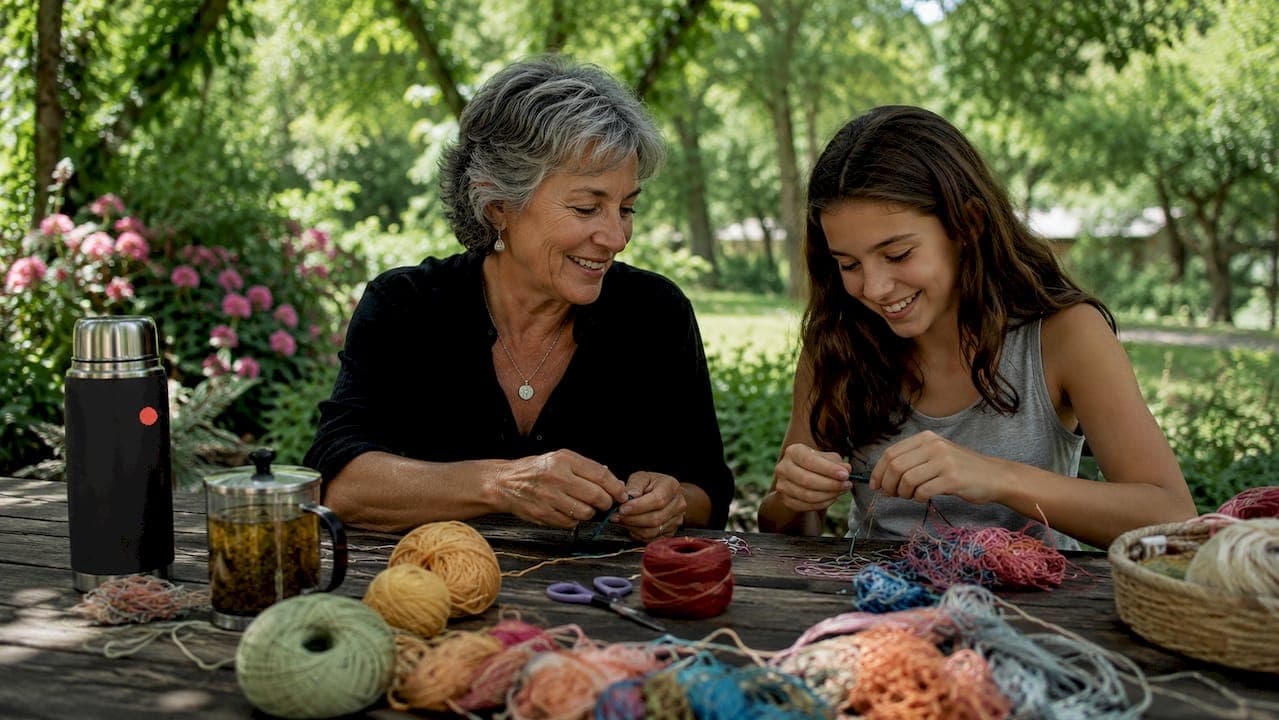
Generativity in senior life is defined as the conscious concern for and active engagement in nurturing younger generations, contributing to community, and leaving a meaningful legacy. Psychologist Erik Erikson identified generativity as the seventh psychosocial stage, framing it as a critical developmental task that extends well beyond middle age into the later years of life. Far from being a concept reserved for midlife, generativity grows in depth and richness as women accumulate experience, wisdom, and perspective. Research consistently links generativity and wellbeing, showing that women who engage generatively report stronger mental health, greater life satisfaction, and more fulfilling relationships.
What is generativity in senior life, and why does it matter?
Generativity is the act of investing your energy, wisdom, and care into people and causes that will outlast you. The term comes from Erikson's psychosocial development theory, where the opposite of generativity is stagnation: a sense of being stuck, purposeless, or disconnected from the world around you. For women in their 40s, 50s, 60s, and beyond, this framework offers something genuinely useful. It names the pull you may already feel toward mentoring, teaching, or simply being present for the people who need what you have learned.
The importance of generativity becomes clearer when you look at what it actually produces. A 2026 study of 200 community-dwelling older adults found that generativity correlates positively with both intergenerational relationship quality and attitudes toward life. That correlation is not incidental. It reflects a deeper truth: when you give meaningfully, you receive something equally real in return.
Generativity is also distinct from simple altruism. Research drawing on European Social Survey data confirms that generativity differs from altruism; it is a key driver of subjective wellbeing linked directly to personal happiness. Altruism asks you to give without expectation. Generativity asks you to invest in the future, and the return on that investment shows up in your own sense of purpose.
How does generativity show up in older adults?
Generativity in older adults takes more forms than most people expect. It is not only grandparenting or volunteering at a food bank, though both count. It is the full range of ways you pass something forward, whether that is knowledge, care, tradition, or presence.
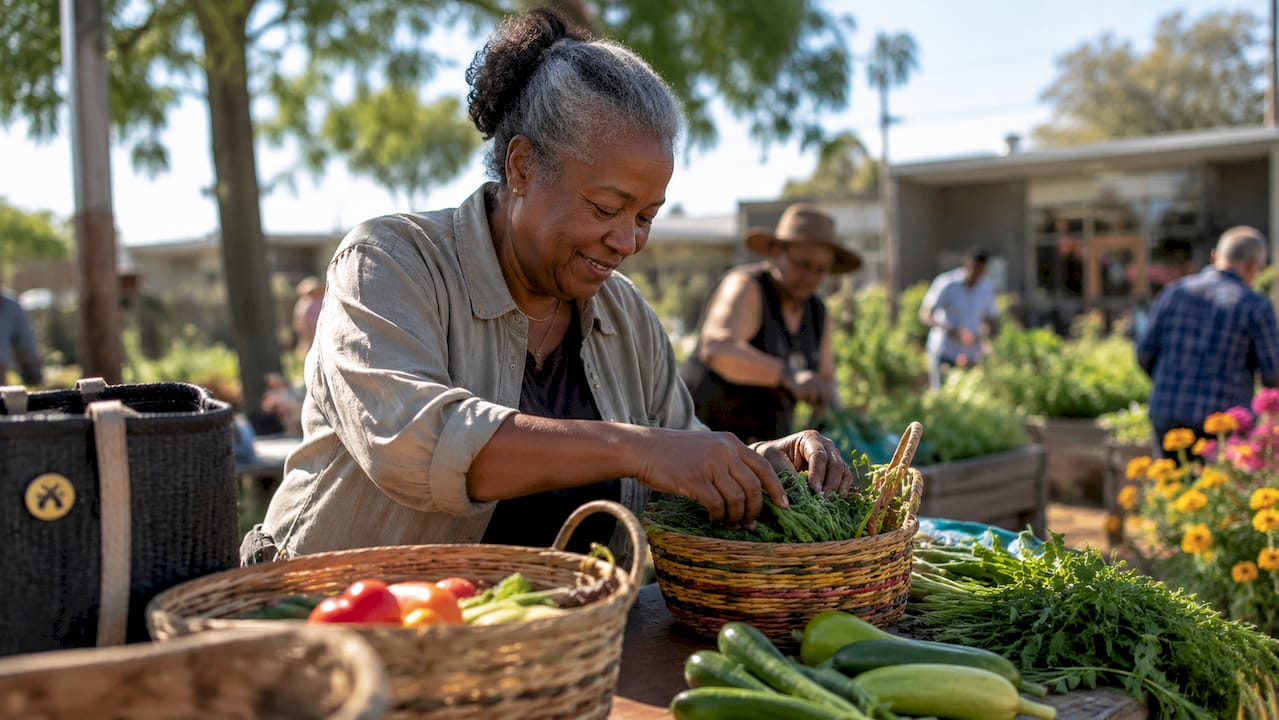
Experts describe older adults as windows into childhood memories and keepers of family traditions, roles that require lived experience rather than large effort. You do not need a formal title or a packed schedule to be generative. You need intention.
Common generative activities for women in later life include:
- Grandparenting and childcare: Providing stability, stories, and unconditional presence for grandchildren
- Mentoring: Guiding younger colleagues, neighbors, or community members through challenges you have already navigated
- Volunteering: Contributing time and skill to schools, nonprofits, faith communities, or civic organizations
- Family storytelling: Sharing personal and family history to preserve identity and connection across generations
- Activism and advocacy: Using your voice and experience to shape policy or community standards
- Role modeling: Demonstrating through your own choices how to age with dignity, curiosity, and courage
- Self-care as generativity: Maintaining your own health and autonomy so you can continue contributing over time
A 2026 study of adults aged 60 and older living with long-term physical limitations found that generativity among disabled older adults manifests through grandparenting, activism, role modeling, and self-care that preserves autonomy. This finding matters because it removes the excuse that generativity requires physical capacity or conventional ability. The form changes; the intention does not.
Pro Tip: If you are unsure where to start, think about what younger people in your life ask you for most often. That question is usually pointing directly at your generative gift.
What are the psychological benefits of generativity in later life?
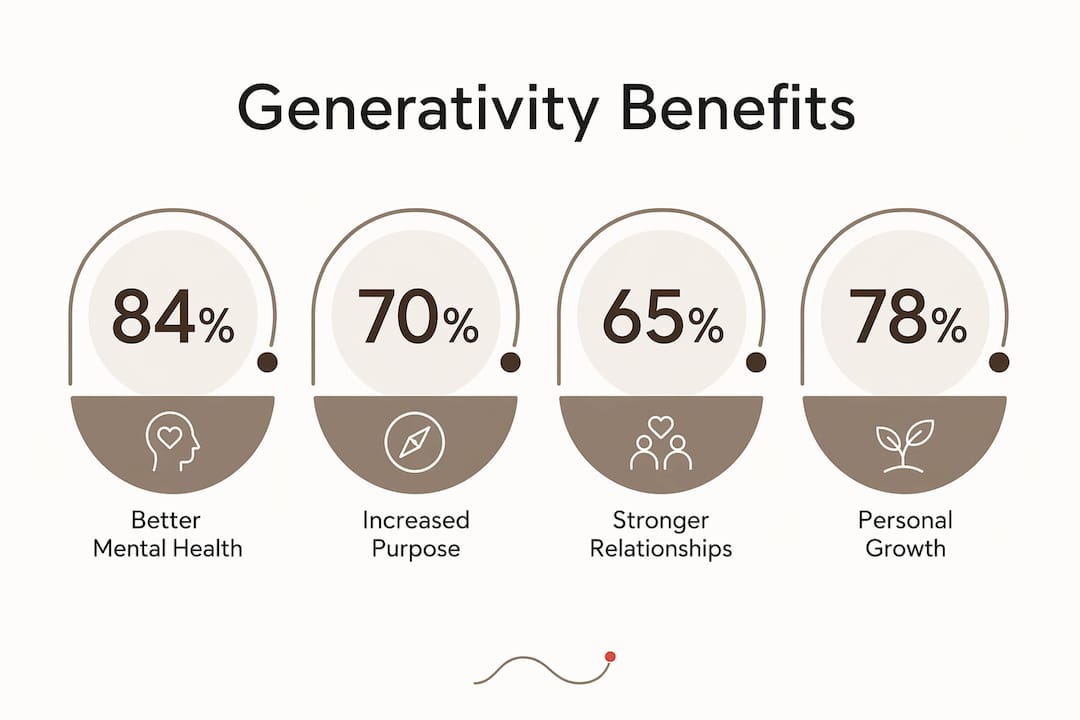
The research on generativity and wellbeing is consistent and growing. A 2025 longitudinal study of adults aged 50–91, with an average age of 67.8 and 69% female, found that higher generativity levels are linked to better mental health, personal growth, and positive family dynamics, even during high-stress periods like the pandemic. That finding holds across different life circumstances and stress levels.
Generativity also mediates the quality of intergenerational relationships. When you show up generatively for younger people, the relationship itself becomes richer, more reciprocal, and more emotionally sustaining for both parties. The 2026 study cited earlier found a correlation of r = 0.424 between generativity and attitudes toward life. That is a meaningful effect size, not a marginal one.
"Meaning-making activities like storytelling provide emotional stability for both the giver and the receiver. Generativity is not a one-way transfer of wisdom. It is a relationship that nourishes both sides." Insight from practitioner research on generativity and meaning-making
Erikson's theory frames generativity as the path toward ego integrity in later life. Ego integrity is the sense that your life has been meaningful and well-lived. Without generativity, the alternative is despair: a feeling that time has passed without purpose. Nurturing generativity in seniors is therefore not a wellness trend. It is a foundational psychological need that shapes how women experience their later years at the deepest level.
| Benefit | Research finding |
|---|---|
| Mental health | Higher generativity links to better mental health in adults aged 50–91 |
| Life satisfaction | Generativity correlates with positive attitudes toward life (r = 0.424) |
| Relationship quality | Generativity correlates with intergenerational relationship quality (r = 0.309) |
| Personal growth | Generative adults report stronger personal growth even during stressful periods |
| Happiness | Generativity is a key driver of subjective wellbeing, distinct from altruism |
What are the common misconceptions about generativity and stagnation?
The most persistent misconception is that generativity peaks in midlife and fades afterward. Erikson placed generativity in the middle adult stage, which has led many people to assume it belongs to the years of raising children and building careers. Research does not support that assumption. Generativity extends into and deepens through senior life, taking on new forms as roles and capacities shift.
A second misconception is that generativity and stagnation are opposites on a single scale. They are not. Research developing distinct measures for generativity and stagnation confirms they are independent constructs. You can feel deeply generative in your role as a mentor while simultaneously feeling stagnant in your creative life. Recognizing this distinction frees you to address each area separately rather than treating your experience as all-or-nothing.
A third misunderstanding is that generativity is purely about giving to others. The expanded understanding of generativity includes self-care and autonomy as generative acts, particularly for women who have spent decades prioritizing everyone else. Maintaining your own health, pursuing your own growth, and protecting your own time are not selfish choices. They are what make sustained contribution possible.
Common misconceptions worth releasing:
- Generativity is only for people with grandchildren or formal caregiving roles
- Stagnation means you have failed at generativity
- Generativity requires large amounts of time, energy, or resources
- Self-care and personal development are separate from generativity
Pro Tip: Notice where you feel most alive when helping others. That aliveness is not a coincidence. It is the reciprocal benefit of generativity making life meaningful working exactly as it should.
How can women 40+ promote generativity to enrich their later years?
Promoting generativity is less about adding more to your schedule and more about bringing intention to what you already do. The goal is not a longer to-do list. It is a clearer sense of why you show up and for whom.
Here are practical ways to foster generativity in your own life:
-
Start with storytelling. Share a personal or family story with someone younger this week. It does not need to be a formal occasion. A conversation over a meal counts. Family storytelling is one of the most accessible and powerful generative acts available to you, and it creates reciprocal emotional benefits for both you and the listener.
-
Identify one mentoring opportunity. Think of a younger woman in your professional or personal circle who could benefit from your experience. Offer one conversation, not a commitment. Mentoring does not require a formal program. It requires presence and honesty.
-
Volunteer with intention. Choose a cause that connects to your values, not just your availability. Volunteering aligned with personal meaning produces stronger wellbeing outcomes than volunteering done out of obligation.
-
Engage in legacy thinking. Ask yourself what you want the people in your life to carry forward from knowing you. That question is not morbid. It is clarifying. It points you toward the generative roles that matter most to you specifically.
-
Treat self-care as a generative act. Rest, health maintenance, and personal development are not indulgences. They are the foundation that makes everything else sustainable. Women who have spent years caring for others often need explicit permission to include themselves in their own generative circle.
-
Pursue ongoing personal development. Learning a new skill, taking a course, or building a vibrant life after 65 keeps you engaged with the world and models curiosity for the people watching you.
-
Connect with community. Join a group, organization, or cause where your experience is valued. Senior life engagement through community involvement is one of the most reliable pathways to sustained generativity and the wellbeing that comes with it.
The key is flexibility. Generativity in your 40s may look like mentoring colleagues. In your 60s, it may look like preserving family history. In your 70s, it may look like advocacy or simply being the person who shows up consistently. The form evolves. The intention stays the same.
Key Takeaways
Generativity in senior life is the most direct path from accumulated experience to lasting personal fulfillment, supported by consistent research linking generative engagement to better mental health, stronger relationships, and greater life satisfaction.
| Point | Details |
|---|---|
| Generativity defined | It is the active concern for nurturing younger generations and contributing meaningfully to community. |
| Research-backed benefits | Higher generativity links to better mental health, personal growth, and positive family dynamics in adults 50+. |
| Generativity and stagnation | They are independent constructs; you can be generative in one life area and stagnant in another. |
| Self-care counts | Maintaining your own health and autonomy is a generative act, not a departure from it. |
| Practical entry points | Storytelling, mentoring, volunteering, and legacy reflection are all accessible starting points for any woman 40+. |
Why generativity changed how I think about purpose after 50
I spent a long time thinking that purpose was something you built from scratch, as if it required a blank page and a dramatic reinvention. What I have come to understand is that purpose is usually already present in the things you do without being asked. The neighbor you check on. The younger colleague you stay late to help. The story you tell at the dinner table that makes everyone go quiet in the best way.
Generativity gave me language for something I had been doing intuitively but not honoring consciously. Once I named it, I could choose it more deliberately. That shift from accidental to intentional is where the real fulfillment lives.
What I find most surprising is how much generativity gives back. The conventional framing makes it sound like a transfer: you give wisdom, they receive it. But the research confirms what experience already knows. The storyteller is nourished by the telling. The mentor grows through the mentoring. You do not deplete yourself by investing in others. You replenish something.
The women I most admire in their 60s and 70s are not the ones who have stepped back from life. They are the ones who have stepped forward into a different kind of engagement, one that is less about proving and more about passing forward. That is not a smaller life. That is a fuller one.
If you are in your 40s and this feels distant, let me offer this: the habits of generativity you build now will shape the woman you become at 65. The wisdom you carry is already worth sharing. You do not have to wait until you feel ready.
— Theresa Stairs
What Obsessedforlife offers women ready to live generatively
For women who are ready to move from reflection to action, Obsessedforlife was built for exactly this season of life.
The Obsession Map, Obsessedforlife's original guided assessment, helps you identify what brings you joy, what values drive you, and what roles feel most alive in this chapter. It is not a personality test. It is a mirror that reflects back what you already know about yourself, clearly enough to act on. Whether you are exploring what living fully in later years looks like for you or you are ready to redesign your senior life around what genuinely matters, Obsessedforlife offers the structure and the space to do it. Visit obsessedforlife.com to begin.
FAQ
What is generativity in senior life?
Generativity in senior life is the active concern for nurturing younger generations, contributing to community, and building a meaningful legacy. Rooted in Erik Erikson's psychosocial development theory, it is recognized as a critical psychological need that deepens through the later years of life.
How does generativity affect wellbeing in older adults?
Research shows that higher generativity levels link to better mental health, personal growth, and positive family dynamics in adults aged 50 and older. A 2026 study also found a positive correlation between generativity and attitudes toward life among community-dwelling older adults.
Can you be generative if you have physical limitations?
Yes. A 2026 study of adults aged 60 and older living with long-term disabilities found that generativity manifests through grandparenting, activism, role modeling, and self-care that maintains autonomy. Physical capacity does not determine generative capacity.
Is generativity the same as altruism?
Generativity and altruism are distinct concepts. Generativity is a key driver of subjective wellbeing and personal happiness, whereas altruism focuses on giving without expectation of personal benefit. Generativity is inherently reciprocal.
Can a person be generative and stagnant at the same time?
Yes. Generativity and stagnation are independent constructs, not opposites on a single scale. A person can feel generative in one area of life, such as mentoring, while feeling stagnant in another, such as creative expression, and address each separately.