
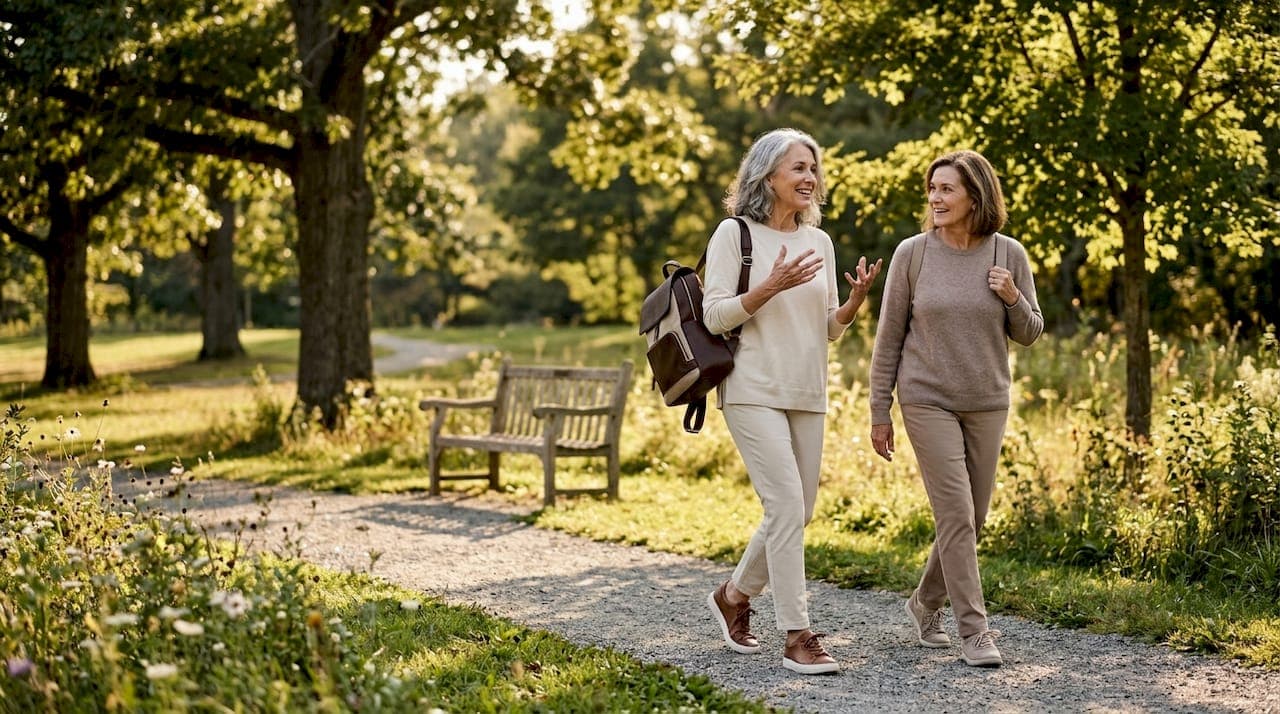
Retirement arrives like a blank page. For women who have spent decades showing up for careers, families, and communities, that openness can feel less like freedom and more like a test you didn’t study for. But here is what’s true: you have every resource you need to build a vibrant life after 65. This chapter isn’t a consolation prize. It’s the invitation you’ve been waiting for, and it belongs entirely to you. This guide walks you through the practical, personal, and purposeful steps to make it real.
Table of Contents
-
Build a vibrant life after 65: start with the right foundation
-
Creating an active lifestyle over 65 that you’ll actually love
Key takeaways
| Point | Details |
|---|---|
| Mindset shapes outcomes | Positive views about aging maintain physical and cognitive function, so how you think about this season matters. |
| Movement is medicine | Adults over 65 need 150 minutes of aerobic activity weekly plus two days of strength work to protect mobility. |
| Purpose sustains vitality | A culturally grounded sense of purpose, like Japan’s ikigai, predicts flourishing well into your 90s and beyond. |
| Social connection is non-negotiable | Joining activity groups provides fitness benefits, personal safety, and the kind of belonging that keeps you engaged with life. |
| Financial structure enables freedom | Front-loading retirement spending in your active years, while reserving funds for long-term care, lets you enjoy life now without fear later. |
Build a vibrant life after 65: start with the right foundation
Before you plan the activities, book the trips, or sign up for the class, there is inner work worth doing. Vibrant living isn’t a checklist. It’s a rhythm you build from the inside out.
The mindset shift that changes everything
Research confirms what many women already sense. Positive views about aging can maintain or improve both physical and cognitive function. That means the story you tell yourself about what 65 looks like isn’t just motivational. It’s biological. Women who approach this season with curiosity rather than resignation tend to move more, connect more, and recover faster from setbacks.
A growth mindset here doesn’t mean pretending everything is easy. It means staying open to what’s still possible. You don’t need to reinvent yourself. You need to give yourself permission to explore what you actually want, perhaps for the first time without someone else’s needs at the center.
Purpose as your anchor
The Japanese concept of ikigai, a deeply personal sense of why you get up in the morning, predicts flourishing and vitality well into a person’s 90s and 100s. Purpose doesn’t have to be grand. It can be a garden you tend, a grandchild you mentor, a skill you’re finally learning, or a cause you care about. What matters is that it’s yours.
Here are the foundational pillars worth assessing before you build outward:
-
Physical health markers: Consider getting a healthspan assessment that measures VO2 max, grip strength, and sleep quality. These give you real data to work with, not guesses.
-
Sleep quality: Insomnia increases cardiovascular risk by 45% in adults over 65. Protecting your sleep is one of the highest-return investments you can make.
-
Sense of purpose: Ask yourself what you would do with a free Tuesday if no one needed anything from you. The answer is a clue.
-
Social inventory: Who do you spend time with? Who energizes you? Who have you been meaning to reconnect with?
Pro Tip: Before planning your next chapter, spend one week writing down three things each day that made you feel alive. Patterns will emerge that no personality quiz can replicate.
Creating an active lifestyle over 65 that you’ll actually love
Movement is not punishment. For women over 65, it’s one of the most direct paths to feeling strong, clear-headed, and genuinely good in your body. The goal isn’t a gym body. It’s a life body.
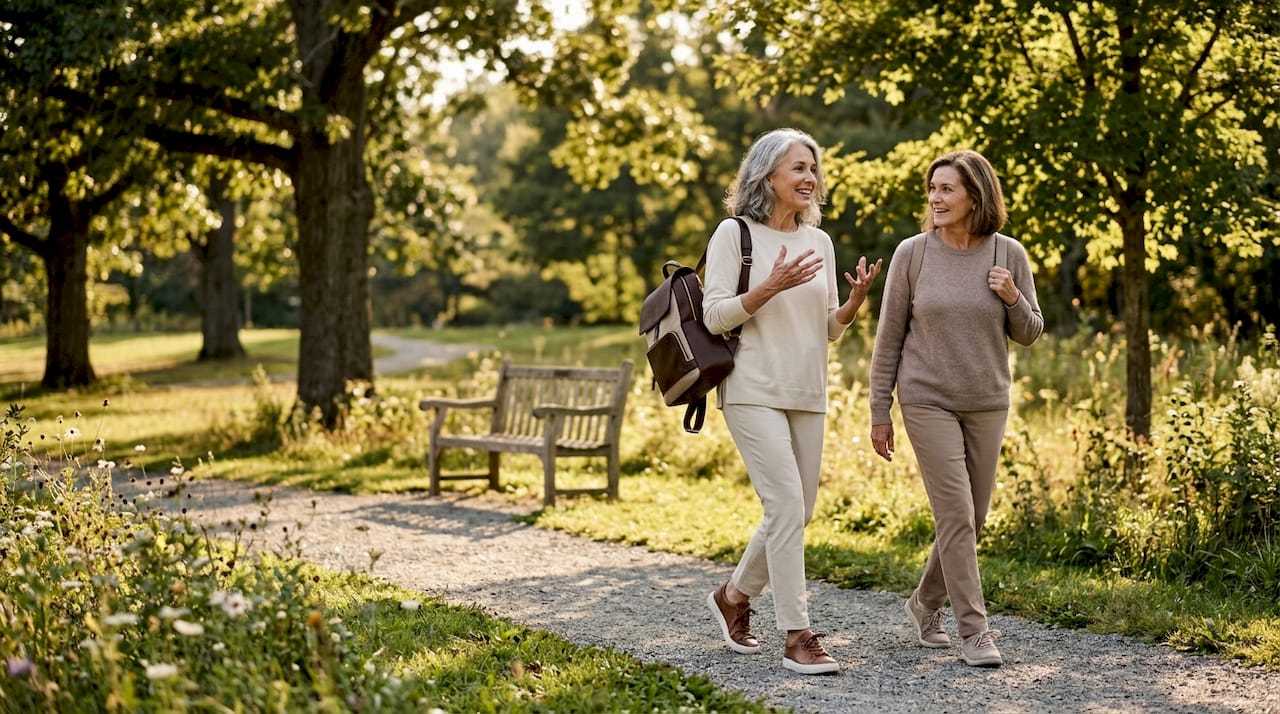
The CDC recommends that adults over 65 get at least 150 minutes of moderate aerobic activity each week, plus muscle-strengthening activities on two or more days. That breaks down to about 30 minutes of brisk walking five days a week. Manageable. Even enjoyable, when you find the right form.
Movement that fits your life
The good news is that activities like gardening, yoga, tai chi, and walking on varied terrain all count toward your weekly goals. These aren’t consolation activities. Tai chi, for instance, is one of the most studied practices for fall prevention and balance in older adults. Yoga builds strength, flexibility, and a calm nervous system at the same time.
Here are some ways to build movement into your days without it feeling like a chore:
-
Walk with a friend or a podcast you love. The distraction makes the time disappear.
-
Try a beginner yoga class at a local studio or community center. Many offer senior-specific sessions.
-
Look into water aerobics. It’s low-impact, social, and surprisingly effective for strength.
-
Explore hiking clubs in your area. Groups like the Masonic Village Hiking Club offer inclusive moderate hikes that combine fitness with friendship and personal safety.
“Forming or joining activity groups not only improves physical safety but also enhances motivation and social connection.” This is especially true for women hiking or walking outdoors alone. A group changes the experience entirely.
Pro Tip: Schedule movement the same way you’d schedule a doctor’s appointment. Put it on the calendar, give it a time, and treat it as non-negotiable. Consistency matters far more than intensity.
Adopting healthy habits including regular exercise, managing stress, and maintaining positive social ties can add over two decades to life expectancy, according to a study of 276,000 U.S. veterans. That’s not a small number. That’s a life.
Nurturing mental and emotional wellbeing
Your brain wants to be challenged. Not overwhelmed. Challenged. There’s a difference, and finding that sweet spot is one of the most rewarding parts of this season.
Regular mental stimulation through reading challenging books, puzzles, social debate, and learning new skills delays cognitive decline and enriches daily life. The key word is challenging. Casual crossword puzzles have their place, but your brain grows most when you’re learning something genuinely new. A language. An instrument. Watercolor painting. Coding. Anything that makes you feel like a beginner again.
Here’s a practical sequence for building mental and emotional vitality:
-
Pick one new skill to learn this month. It doesn’t need to be impressive. It needs to be unfamiliar. Beginner discomfort is a sign your brain is working.
-
Join a book club, debate group, or class where you’ll have to articulate your thoughts to others. Intellectual discussion preserves cognitive reserve in ways solo reading cannot.
-
Volunteer in a role that uses your skills or stretches them. Meaningful social roles and community involvement sustain vitality far beyond leisure activities alone.
-
Practice gratitude that’s honest. Not toxic positivity, but realistic gratitude that acknowledges difficulty while still finding what’s good. This builds genuine emotional resilience.
-
Create structure without rigidity. Intentional flexible routines help retirees maintain balance and enjoyment. Think of it as a rhythm, not a schedule.
Pro Tip: Loneliness is a health risk, not just a feeling. If you notice yourself going more than two or three days without a meaningful conversation, treat it as a signal to reach out, not a character flaw to push through alone.
Planning finances to support vibrant living
Freedom requires structure underneath it. One of the most liberating things you can do for your active years is to plan your finances with the same intentionality you’re bringing to everything else.
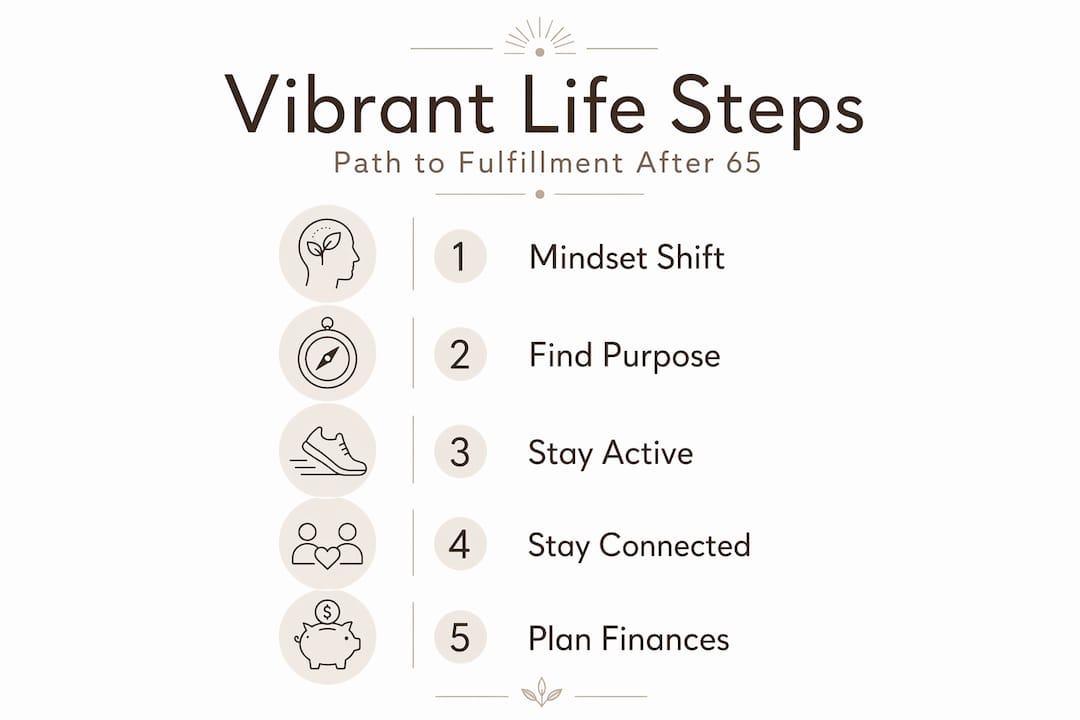
A strategy gaining traction among retirement planners is front-loading spending. The idea is that your most physically active years, roughly 65 to 75, are the ones where travel, experiences, and adventures are most accessible. Spending more in this window, while your health supports it, makes intuitive sense.
| Retirement phase | Spending focus | Key safeguard |
|---|---|---|
| Active years (65–75) | Travel, experiences, hobbies, social activities | Reserve $150k–$250k for long-term care |
| Transition years (75–85) | Home comfort, local community, health support | Secure income floor covers essentials |
| Later years (85+) | Care, comfort, family proximity | SEAL Reserve and insurance in place |
Front-loading retirement spending in active years while securing a $150,000 to $250,000 reserve for long-term care is a strategy that balances enjoying life now with protecting what matters later. The goal isn’t to spend recklessly. It’s to stop deferring joy to a future that may look very different.
A secure income floor, meaning guaranteed income from Social Security, pensions, or annuities, should cover your non-negotiable expenses. Everything above that is yours to invest in living fully. When the basics are covered, you can say yes to the things that matter without anxiety trailing behind every decision.
My honest take on thriving after 65
I’ve spent a lot of time thinking about what actually separates women who thrive in this season from those who drift through it. And what I’ve found consistently surprises people.
It’s not the ones with the most money, the best health, or the most exciting plans who feel most alive. It’s the ones who got curious about themselves. The women who asked, often for the first time, what do I actually want? And then had the patience to sit with the answer.
What I’ve learned is that mainstream advice tends to focus on doing: exercise more, socialize more, learn something new. All of that is true and worth doing. But the doing lands differently when it comes from a genuine sense of self rather than a to-do list someone else handed you.
The women I find most inspiring aren’t chasing a younger version of themselves. They’re building something they’ve never had the space to build before. That takes a kind of courage that doesn’t get enough credit. You’re not starting over. You’re finally beginning.
— Theresa
What Obsessedforlife offers for your next chapter
If any part of this article made you pause and think, yes, but where do I actually start? that’s exactly what Obsessedforlife was built for. This platform exists for women who have spent years being excellent at what others needed and are now ready to turn that same energy toward themselves.
Through the Obsession Map, an original guided assessment, you can explore what genuinely brings you joy in this season, what values are driving you, and what experiences you haven’t yet considered. It’s not a quiz that tells you who you are. It’s a self-discovery resource that helps you figure out what you actually want, with structure, warmth, and no pressure to have it all figured out yet. Visit Obsessedforlife to take the first step toward a life that finally feels like yours.
FAQ
What does a vibrant life after 65 actually look like?
A vibrant life after 65 combines physical activity, meaningful social connections, mental stimulation, and a personal sense of purpose. It looks different for every woman, and that’s exactly the point.
How much exercise do women over 65 really need?
The CDC recommends at least 150 minutes of moderate aerobic activity per week, plus muscle-strengthening exercises two days a week. Walking, yoga, tai chi, and gardening all count toward that goal.
How can I stay mentally sharp after retirement?
Learning genuinely new skills, joining discussion groups, volunteering, and reading challenging material all help preserve cognitive function. The key is choosing activities that feel slightly uncomfortable, not just familiar.
Is it too late to find my purpose after 65?
Research on ikigai shows that a clear sense of purpose predicts vitality and flourishing well into a person’s 90s. It’s never too late, and this season often offers the clearest conditions for discovering what truly matters to you.
How do I balance spending and saving in retirement?
A front-loading strategy, spending more in your active years while reserving funds for long-term care and securing income for essentials, helps you enjoy life now without compromising your security later.