
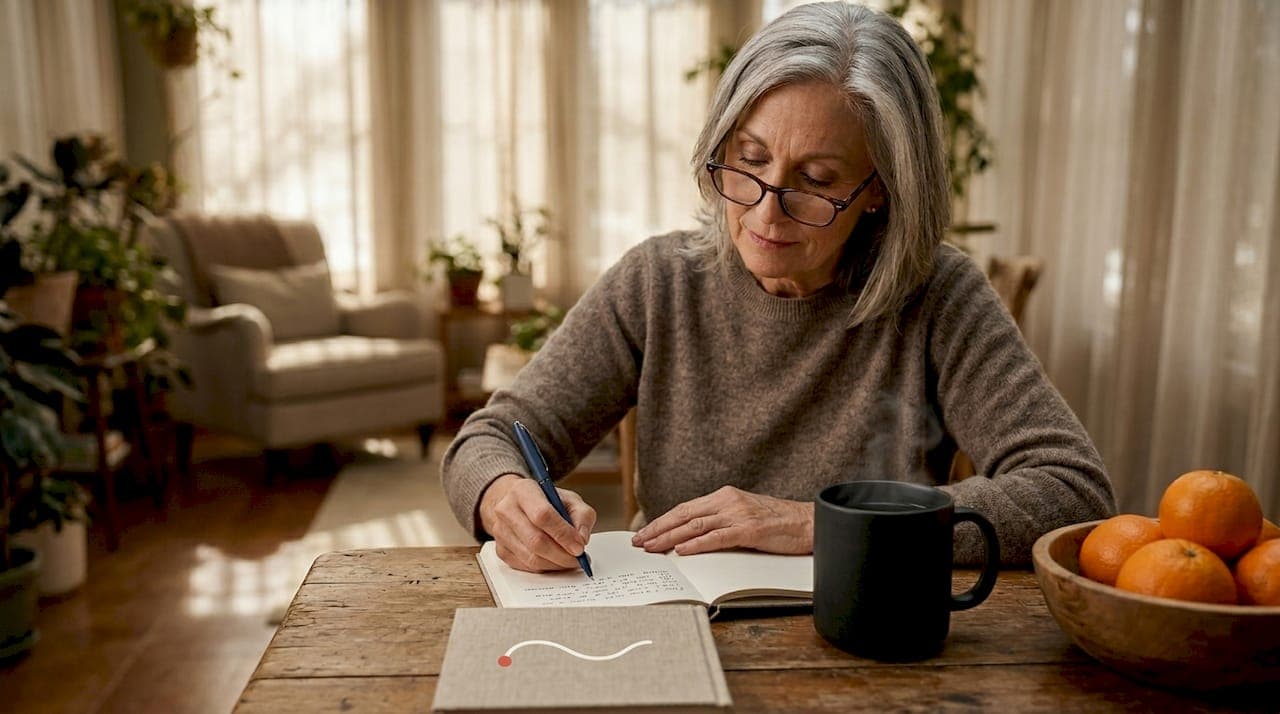
Most women who arrive at 50, 60, or beyond discover something quietly disorienting: the life they built so carefully no longer fits the person they’ve become. Senior women life redesign explained simply means this — creating a life shaped around who you are now, not who you were required to be. This isn’t a concept reserved for younger adults starting over. It’s a deliberate, evidence-based process with deep roots in occupational therapy, and it applies with particular power to women in the second half of life. The research supports it. More importantly, your instincts probably already knew it.
Table of Contents
Key Takeaways
| Point | Details |
|---|---|
| Redesign is evidence-based | Lifestyle Redesign originates in occupational therapy research showing real improvements in health and quality of life for seniors. |
| Emotional health needs a plan | Retirement and life transitions can cause disorientation; intentional planning for purpose and routine is just as important as financial prep. |
| Exercise helps, but realistically | Twice-weekly movement improves physical quality of life and coping skills, though happiness scores shift more gradually over time. |
| Social structure prevents drift | Structured group engagement sustains leisure participation far longer than motivation or willpower alone. |
| Start small, measure progress | Track physical function, social participation, and coping habits as leading indicators before expecting a broad sense of well-being to shift. |
What senior women life redesign means
The phrase “life redesign” is widely used, but the professional term behind it is Lifestyle Redesign, a structured occupational therapy approach developed at the University of Southern California. It’s worth knowing that name, because it separates real evidence from lifestyle-content noise.
The foundational research is called the Well Elderly program. It enrolled 360 low-income seniors in a randomized controlled trial, and the results were clear: structured OT interventions produced meaningfully better health, function, and quality of life compared to control groups after six months. The intervention group didn’t just feel better. They functioned better.
What makes Lifestyle Redesign distinct is its focus on occupations, meaning daily habits, routines, and roles, not just activities. Adding a yoga class to your week is an activity. Redesigning your morning so it reflects your values, pace, and physical capacity is an occupation. That distinction matters enormously.
-
Habits are the invisible architecture of your day. Changing them changes your health.
-
Routines give structure to unstructured time, which retirement can suddenly flood you with.
-
Roles define how you see yourself. Redesigning life means revisiting those roles with honest curiosity.
Preventive occupational therapy embeds health-promoting habits rather than layering isolated activities onto an unchanged life. That’s a crucial difference. Real transformation happens when the structure of your day shifts, not just the schedule.
Pro Tip: Don’t wait until you feel ready to start redesigning. The clarity tends to come from doing, not from waiting. Begin with one routine you’d like to change, and notice what that small shift reveals.
Emotional transitions no one prepares you for
Here is something the financial planners rarely mention: retirement adjustment is about rebuilding identity, not just replacing a paycheck. For women who have spent decades defined by roles as a professional, caregiver, mother, or partner, the absence of those structures can feel genuinely disorienting.
Emotional disorientation during retirement is normal, but depression is not a natural part of aging. That distinction is one the National Institute on Aging and the CDC both emphasize. Treatable is the operative word.
“The transition into retirement is one of the most significant life events a person faces, yet emotional preparation receives a fraction of the attention that financial preparation does.
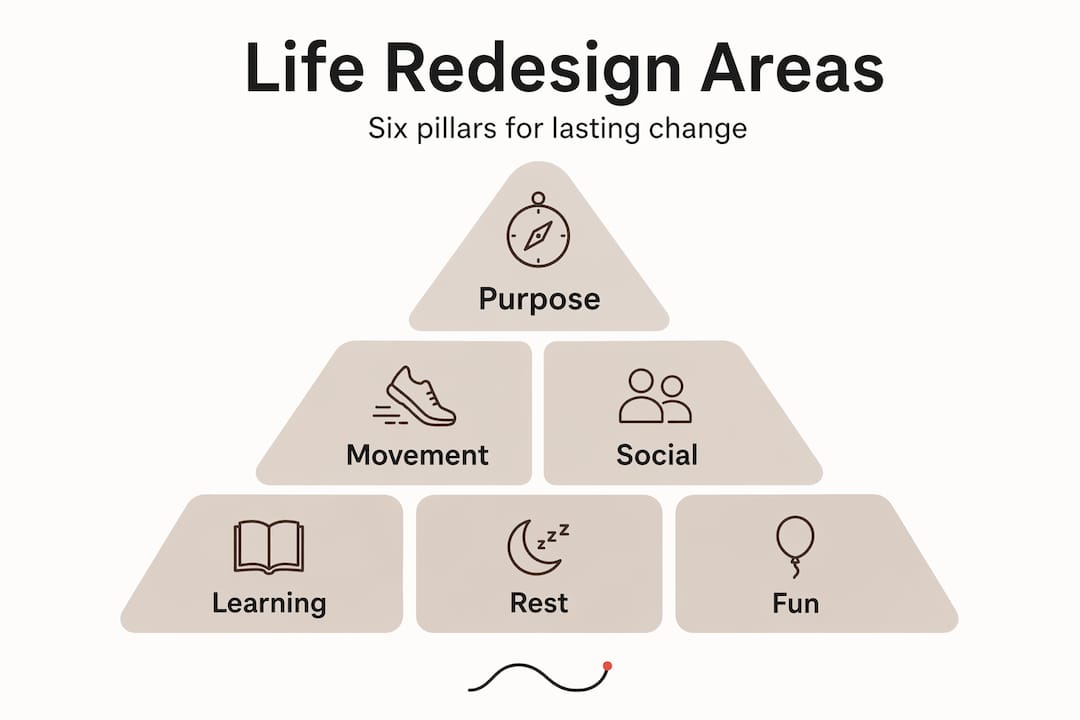
What does intentional emotional planning look like in practice? It looks like deciding in advance where your sense of purpose will come from. It means building social rhythms before the old ones evaporate. Research from NIA and CDC guidance suggests replacing work rhythms with realistic, flexible routines across six areas: movement, social time, purpose, learning, rest, and fun.
Watch for these warning signs during major life transitions:
-
Persistent low mood lasting more than two weeks
-
Pulling back from people you used to enjoy
-
Losing interest in things that once gave you energy
-
Difficulty finding anything to look forward to
None of these are signs of weakness. They are signals worth listening to. And they respond well to support. Many women find that building a vibrant life after 65 begins precisely when they stop expecting the old identity to carry them forward and start designing a new one.
Physical movement as a redesign tool
The body and the self are not separate projects. Movement belongs in any serious conversation about personal growth for seniors, and recent research gives us a much more honest picture of what to expect.
A 2026 randomized controlled trial tested an eight-week, twice-weekly multicomponent exercise program in older women. The results showed physical quality of life improved significantly, as did coping styles. The well-being scale, however, did not reach statistical significance.
That’s not a failure. It’s a realistic timeline. Physical function and coping improve first. The deeper sense of well-being follows over months, not weeks. Expecting instant happiness from a new exercise habit sets you up for disappointment. Expecting better physical capacity and stronger stress responses? That’s exactly what the evidence supports.
Here’s how to make movement work within a larger redesign:
-
Choose activities you enjoy. Obligation fatigue is real, and it ends habits.
-
Twice a week is a meaningful threshold. You don’t need daily intensity to see results.
-
Combine social and physical when possible. A walking group delivers both.
-
Track how you feel after movement, not just during. Post-exercise mood is a powerful reinforcer.
Pro Tip: If you’re not sure where to start with movement, begin with a ten-minute outdoor walk three times a week. The research doesn’t require you to do a lot. It requires you to do something, consistently.
Staying socially engaged over the long term
One of the quieter threats to senior women’s well-being isn’t dramatic. It’s gradual drift. Life gets smaller, one missed social gathering at a time, and at some point you realize you’re no longer doing the things that used to light you up.
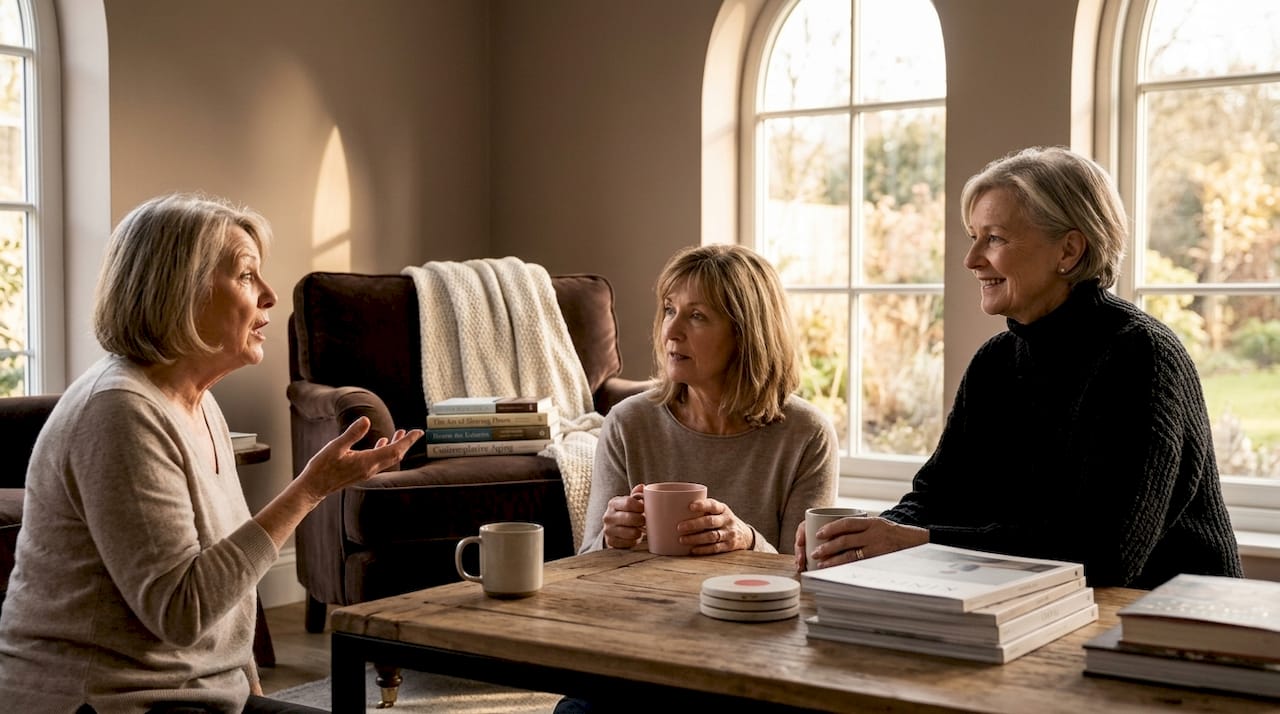
A 2026 randomized controlled trial in Gothenburg, Sweden followed adults aged 80 and older. It found that senior group meetings sustainably increased participation in leisure activities like reading, hobbies, and study circles at both 12 and 24 months, with odds ratios of approximately 1.8 to 1.9 compared to controls. This is a remarkable finding. Two years of sustained engagement, not from motivation alone, but from structured social support.
The lesson is not that you need willpower. The lesson is that you need structure and people.
| Approach | What it supports |
|---|---|
| Senior group meetings | Consistent leisure participation, peer dialogue, shared motivation |
| One-on-one home visits | Adapted support for changing abilities and personal barriers |
| Community programs | New social bonds, sense of belonging, exposure to unfamiliar activities |
| Online interest groups | Accessibility, low-barrier engagement, connection across geography |
Sustained engagement often fails not because people stop caring, but because motivation erodes and access becomes complicated. Anticipating those barriers, before they arrive, is what separates redesigns that last from ones that fade.
Think about hobbies you set aside years ago. A leisurely reconnection with creative work, reading, music, or craft often reawakens identity threads you thought were gone. The value of meaningful leisure for purpose and joy in later life is well-documented in positive psychology. These aren’t indulgences. They are investments in who you’re becoming.
A practical framework for starting today
Knowing the theory is one thing. Beginning is another. Here is a framework grounded in what the research supports, designed to be adapted to your life rather than applied rigidly.
-
Map your current occupations. Write down what fills a typical week across six areas: movement, social time, purpose, learning, rest, and fun. Note where you feel engaged and where you feel hollow.
-
Identify one change in each area. You don’t need a complete overhaul. You need one intentional shift per category. Small changes to daily structure compound meaningfully over months.
-
Set leading indicators, not outcome goals. Instead of “I want to feel happier,” track “I walked twice this week” or “I made plans with a friend.” These are the measures that predict shifts in well-being over time.
-
Build in social accountability. Find one person, whether a friend, a coach, or a group, who will check in with you. Social participation interventions consistently outperform solo effort because they provide structure and positive peer dialogue.
-
Revisit and adapt every 30 days. Redesign is not a one-time decision. It’s an ongoing practice. Your abilities, interests, and circumstances will shift. Your framework should shift with them.
Common pitfalls to watch for include expecting too much too fast, trying to change everything at once, and abandoning a habit because it didn’t produce immediate emotional rewards. The lifelong nature of growth means you are always in process. That’s not a problem. That’s the point.
Pro Tip: If the blank page of “what do I want?” feels paralyzing, start smaller. Ask: what did I love doing before life got so full? The answer to that question often holds your next clue.
Knowing why life requires new goals after 40 isn’t just motivational. It’s structural. Different seasons of life genuinely call for different kinds of engagement, and designing for that reality is not optional for women who want to thrive.
My honest take after years of this work
I’ve seen something consistent in the women I’ve worked with and observed over the years. The ones who struggle most are not the ones who have the least. They’re the ones who are waiting for clarity before they begin.
They believe that once they know what they want, they’ll start living differently. But in my experience, it works the other way around. You start living differently, and then you discover what you want. The doing reveals the direction.
I’ve also noticed that conventional wisdom about aging tends to traffic in two equally unhelpful extremes. Either it frames decline as inevitable, as if 60 is the beginning of the end, or it insists that positivity alone will carry you through. Neither is true or useful.
What works is unglamorous. It’s structure. It’s showing up twice a week to move your body even when you don’t feel motivated. It’s making the phone call even when social interaction feels like effort. It’s recognizing that well-being doesn’t spike overnight; it accrues. And small accruals, maintained over months, become the life you wanted.
The uncomfortable truth I’ve learned is this: redesign is not a chapter that ends. It’s a practice you return to, season after season, with increasing skill. The women who embrace that are the ones who stop waiting and start building. They are, without exception, more alive for it.
— Theresa Stairs
Your next step with Obsessedforlife
If any of this has stirred something in you, that’s worth following. Obsessedforlife was built for exactly this moment. Whether you’re newly retired, in the middle of a major life shift, or simply ready to stop designing your life around everyone else’s needs, there is a place for you here.
The Obsession Map, Obsessedforlife’s original guided assessment, helps you explore what act brings you joy in this season. It surfaces your values, reflects back what lights you up, and gives you a picture of the path forward that is genuinely yours. It’s a thoughtful tool, not a quiz, and it meets you exactly where you are. Start with the question that belongs to you: what do I want now? The answer is closer than you think.
FAQ
What is Lifestyle Redesign for senior women?
Lifestyle Redesign is an evidence-based occupational therapy approach that helps older adults restructure daily habits, routines, and roles to improve health and quality of life. It was developed through the Well Elderly program, which demonstrated significant benefits for seniors in a randomized controlled trial.
How long does life redesign take to show results?
Physical function and coping skills tend to improve within eight to twelve weeks of structured change, while broader well-being scores shift more gradually over months. Setting leading indicators, such as participation and movement frequency, helps you track real progress before overall happiness visibly changes.
Can senior women really redesign their lives after retirement?
Absolutely. Research shows that intentional redesign after retirement can meaningfully improve emotional health, physical capacity, and social engagement. Depression during retirement is treatable, not inevitable, and purposeful redesign is one of the most effective responses.
What areas should a life redesign cover?
A solid redesign addresses six areas: movement, social time, purpose, learning, rest, and fun. Covering all six creates a rhythm that supports both physical and emotional health, replacing the structure that work or caregiving once provided.
How do I stay engaged with redesign over time?
Structured social support, whether a group, a coach, or a consistent peer, dramatically improves long-term engagement. Research shows that group-based participation support sustains activity involvement for up to 24 months in older adults, far outperforming solo motivation.