
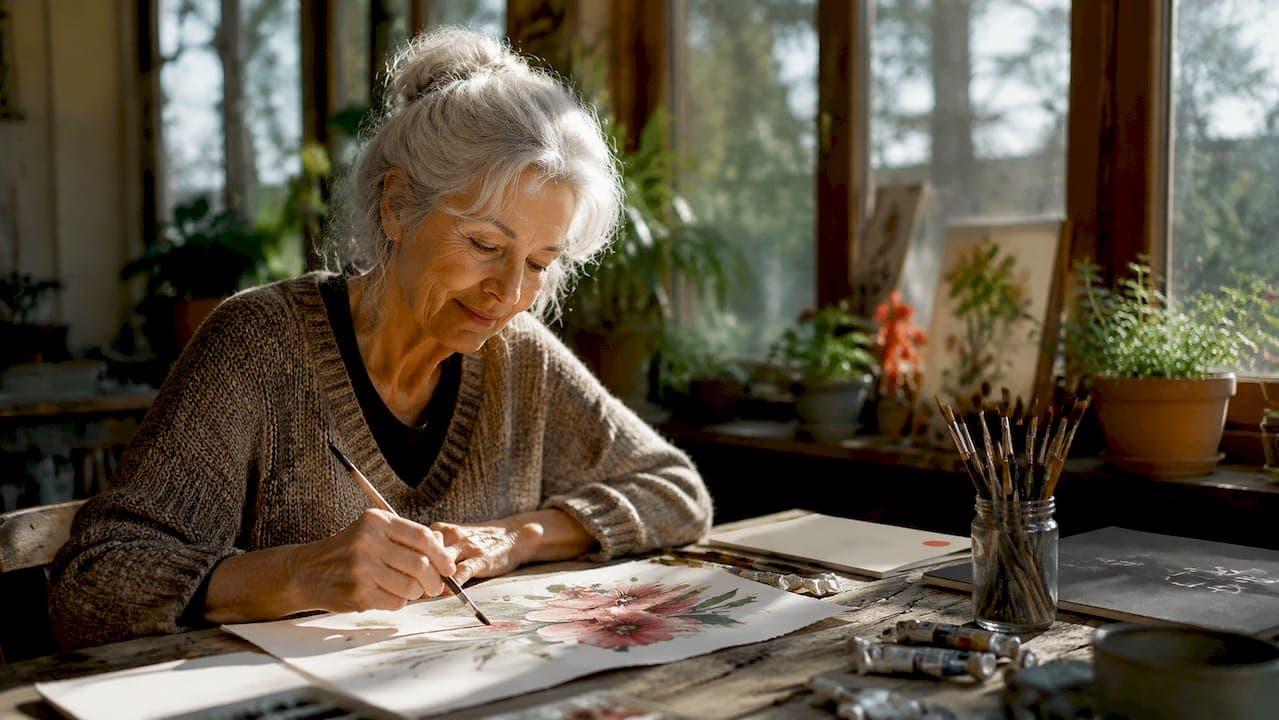
Meaningful experiences for seniors are defined as activities that deliver emotional fulfillment, social connection, cognitive stimulation, and physical engagement, all of which directly improve quality of life in later years. A study of 460 adults aged 60–90 found that engagement in meaningful activities strongly links to higher life satisfaction, with perceived fulfillment carrying an even stronger positive effect than activity alone. That finding matters because it shifts the focus from what you do to how much it resonates with who you are. The types of meaningful experiences for seniors that work best are not one-size-fits-all. They are personal, adaptable, and grounded in what genuinely lights you up.
1. Types of meaningful experiences for seniors: creative expression
Creative activities are among the most accessible and emotionally rewarding options for seniors. They offer a channel for self-expression that does not require physical strength or technical expertise. Painting, collage, pottery, music, writing, and fiber arts all qualify. The key is that the activity engages the senses and gives something back.
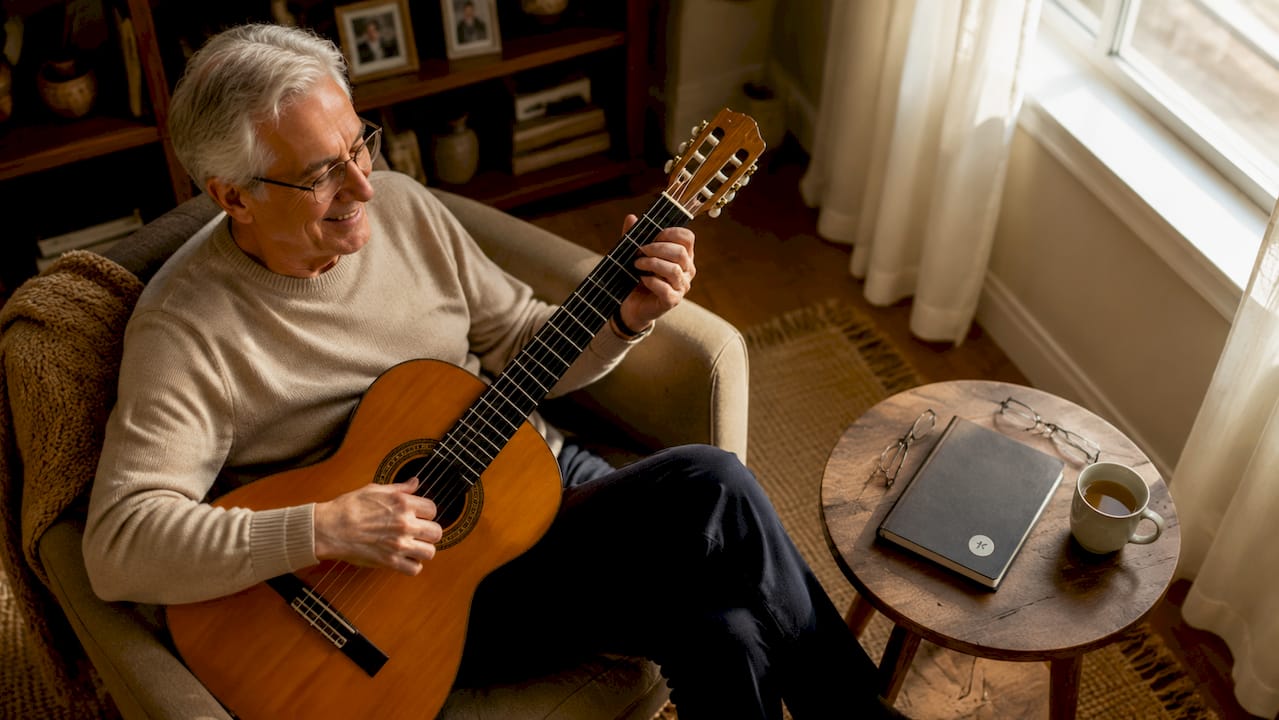
The benefits go deeper than enjoyment. Creative work activates neural pathways, provides an emotional outlet, and produces a tangible result that reinforces a sense of accomplishment. For seniors with limited mobility, simplified adaptations work well. Large-handled brushes, seated weaving frames, and voice-to-text writing tools all reduce barriers without reducing meaning.
Group formats add another layer. Activities combining creativity and social connection like group quilting projects maximize wellbeing impact by pairing the emotional rewards of making something with the warmth of shared effort. That combination is hard to replicate with solo activities alone.
- Painting and watercolor classes (seated or table-based)
- Songwriting or music appreciation groups
- Memoir and personal essay writing
- Knitting, quilting, or fiber arts circles
- Collage, scrapbooking, or photo storytelling
Pro Tip: If you are new to a creative form, look for community center programs that offer beginner sessions. Starting with a group removes the pressure of learning alone and adds a social rhythm from day one.
2. Physical movement adapted for comfort and connection
Physical activity is not optional for healthy aging. Clinical guidance recommends that seniors get at least 150 minutes of moderate aerobic activity per week, plus strength and balance training. That standard exists because movement protects cardiovascular health, reduces fall risk, and supports mood. The good news is that meeting it does not require a gym.
Chair-based yoga, gentle dancing, water aerobics, and neighborhood walking groups all count. These formats are low-impact and easy to adapt. They also carry a social dimension that solo exercise cannot offer. A walking group meets at a set time, which creates structure and accountability. A dance class introduces rhythm and play. Both deliver physical benefit and human connection in the same hour.
- Chair yoga or seated stretching classes
- Gentle line dancing or ballroom dancing
- Water aerobics at a community pool
- Neighborhood or nature walking groups
- Tai chi for balance and coordination
Pro Tip: Pace yourself by choosing activities that feel slightly challenging but never painful. The goal is consistency over intensity. Showing up three times a week to a gentle class builds more long-term benefit than one hard session followed by a week of recovery.
3. Cognitive engagement for mental sharpness and growth
The brain responds to challenge the same way muscles do. Regular cognitive engagement, through learning, problem-solving, and memory work, helps delay decline and keeps life feeling purposeful. Lifelong learning does not require a classroom. Documentaries, book clubs, language apps, and local lecture series all qualify as meaningful cognitive experiences for older adults.
Brain games and puzzles offer structure and a satisfying sense of progress. Low-impact, high-engagement adaptations like large-print puzzles or team trivia games enhance both enjoyment and social connection. The social element matters as much as the mental challenge. A book club discussion exercises memory, language, and empathy simultaneously.
Digital options are expanding quickly. Accessible e-readers with adjustable font sizes make reading easier for seniors with vision changes. Virtual reality is another option worth considering carefully. VR sessions under 10 minutes effectively reduce side effects like nausea while still delivering social connection and reducing loneliness. Short, shared VR excursions can shift a quiet room into a lively, awe-filled environment.
- Book clubs and reading circles
- Documentary film discussions
- Memory walls and life story projects
- Crossword puzzles, trivia, and word games
- Beginner language learning through apps or classes
- Shared VR experiences in group settings
4. Nature connection for calm and sensory renewal
Nature is one of the most underrated resources for senior wellbeing. Time outdoors reduces stress, awakens the senses, and creates a rhythm of care and observation that feels purposeful. Gardening, birdwatching, gentle walks in parks, and even indoor plant care all qualify as meaningful outdoor adventures for older adults.
Gardening deserves special mention. It combines physical movement, sensory engagement, patience, and the reward of watching something grow. Raised-bed gardens and container gardening make it accessible for seniors with limited mobility or joint pain. The activity also pairs naturally with community. Group gardening programs at senior centers and community plots bring people together around a shared, living project.
Birdwatching is another option that requires almost no physical exertion but delivers rich sensory and cognitive rewards. Identifying species, tracking seasonal patterns, and sharing sightings with a club creates a gentle structure that many seniors find deeply satisfying. For those who cannot get outdoors easily, window feeders and indoor plants offer a smaller but still meaningful connection to the natural world.
- Raised-bed or container gardening
- Community garden memberships
- Birdwatching clubs or nature walks
- Indoor plant care and propagation
- Outdoor photography of landscapes or wildlife
5. Purpose-driven activities and the power of contribution
Feeling useful is not a luxury. For many seniors, a sense of contribution is the difference between a day that feels meaningful and one that does not. Meaning in later life shifts toward generativity, which means leaving something behind, teaching what you know, and caring for others. Volunteering, mentoring, and intergenerational programs all serve this need directly.
Volunteer opportunities for seniors span a wide range. Tutoring children in reading, staffing food banks, knitting blankets for hospital patients, and serving on nonprofit boards all count. What matters is that the activity connects to something you care about. Personalized meaningful activity interventions grounded in cultural and personal context produce the strongest results. A former teacher who volunteers in a literacy program brings identity and expertise to the role, which deepens the experience.
Intergenerational programs deserve particular attention. When seniors share skills, stories, or time with younger generations, both sides benefit. The senior gains a sense of legacy and relevance. The younger person gains perspective and connection. Senior citizen community events that bridge generations, such as oral history projects or shared cooking classes, create exactly this kind of mutual meaning.
| Activity type | Primary benefit |
|---|---|
| Literacy or tutoring volunteering | Sense of contribution and skill-sharing |
| Intergenerational storytelling projects | Legacy-building and social connection |
| Charity crafting (knitting, sewing) | Creative output with community purpose |
| Mentoring in a professional field | Identity reinforcement and relevance |
| Community event organizing | Leadership, structure, and belonging |
Key takeaways
The most meaningful experiences for seniors combine emotional fulfillment, social connection, and personal relevance, because quality human connection often matters more than the activity itself.
| Point | Details |
|---|---|
| Fulfillment outweighs activity type | How much an activity resonates matters more than which category it falls into. |
| Personalization is the standard | Activities matched to cultural background, health, and personal history produce the strongest wellbeing outcomes. |
| Social connection multiplies impact | Group formats consistently deliver more emotional benefit than solo activities of the same type. |
| Nature and movement are underrated | Gardening, walking groups, and gentle outdoor activities reduce stress and build purposeful daily rhythm. |
| Contribution creates lasting meaning | Volunteering and intergenerational programs address the deep need to matter and leave something behind. |
What I have learned about meaningful activity in later life
By Theresa Stairs
The conventional wisdom says seniors need more activities. I think that framing is wrong. What most people I have spoken with actually need is fewer activities that mean more. There is a real difference between filling a calendar and building a life that feels worth showing up for.
The research backs this up. Activities connected to personal life story and values create deeper engagement than activities chosen simply because they are available or age-appropriate. A woman who spent 30 years as a nurse does not need a generic craft class. She might need a health literacy volunteer role, or a mentoring relationship with a young caregiver. The activity is almost secondary. The identity connection is what makes it land.
I also think we underestimate how much autonomy matters. When seniors choose their own activities rather than being assigned them, the emotional return is higher. That is not a soft observation. It is consistent with what gerontology research has shown for decades. Meaning in later life shifts toward emotional fulfillment and deep relationships rather than performance or obligation. The best thing you can do is get honest about what you actually want, not what seems appropriate for your age.
One more thing: do not dismiss technology too quickly. Shared VR experiences, accessible e-readers, and online communities are not replacements for in-person connection. But for seniors with mobility limits or geographic isolation, they are a genuine bridge to engagement. Approach them with curiosity, not pressure, and let the experience guide you.
— Theresa Stairs
What Obsessedforlife offers women ready to live fully
If you are in your 60s and wondering what this chapter is actually for, you are asking exactly the right question. Obsessedforlife was built for women who are ready to stop organizing their lives around everyone else's needs and start paying attention to their own.
The Obsession Map, Obsessedforlife's original guided assessment, helps you identify what brings you joy in this season, what values still drive you, and what kinds of experiences belong in your next chapter. It is not a list of suggestions. It is a reflection of who you are right now. Whether you are drawn to living boldly in your 60s or simply want to understand what a vibrant life after 65 could look like for you specifically, Obsessedforlife gives you the structure to figure that out. Visit obsessedforlife.com to begin.
FAQ
What are the most meaningful activities for elderly adults?
The most meaningful activities for elderly adults combine emotional fulfillment, social connection, and personal relevance. Research shows that activities tied to a person's identity, values, and relationships produce the strongest wellbeing outcomes.
How much physical activity do seniors need each week?
Clinical guidance recommends at least 150 minutes of moderate aerobic activity per week, plus strength and balance training. Low-impact options like chair yoga, gentle dancing, and walking groups all count toward that goal.
Can virtual reality benefit seniors?
Yes, with the right setup. VR sessions under 10 minutes reduce side effects like nausea while still delivering social connection and reducing loneliness. Shared environment displays with immersive screens offer similar psychological benefits without requiring a headset.
Why is volunteering good for seniors?
Volunteering addresses the deep need for contribution and generativity that defines meaning in later life. Intergenerational programs and skill-based volunteer roles reinforce identity and provide consistent social connection.
How do I choose the right activity for a senior?
The best approach is personalization. Activities matched to a person's cultural background, health status, and life history consistently outperform generic programs. Start with what the person already cares about, then find a format that fits their current abilities.