
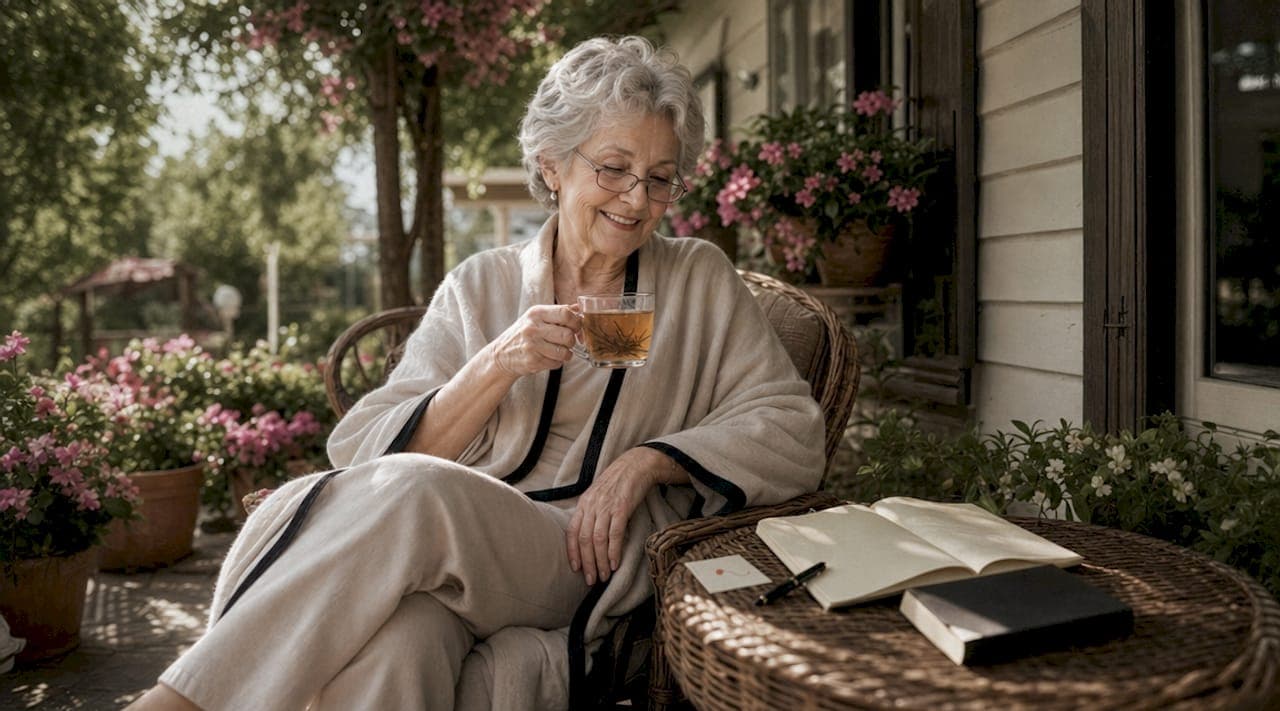
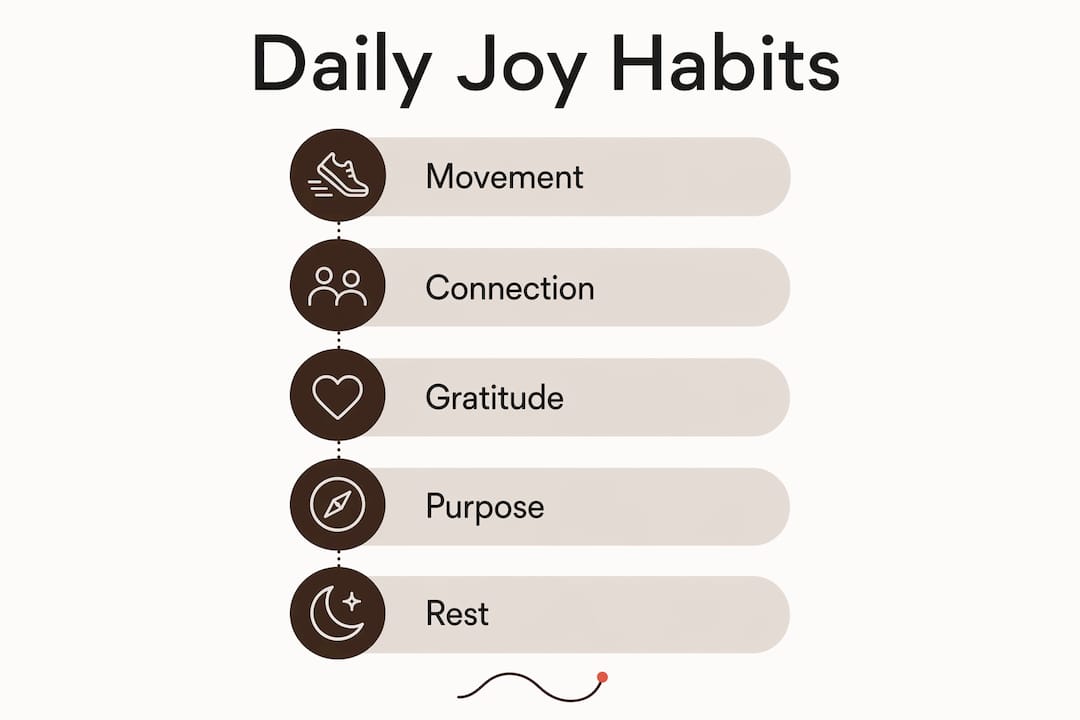
Finding joy in everyday senior life is defined as the intentional practice of cultivating happiness through movement, connection, gratitude, and purpose in your daily routine. This is not a passive state that arrives on its own. It is something you build, one small choice at a time. Research confirms that true happiness in later life depends more on connection, contribution, and personal growth than on material gains. Whether you are 62 or 78, the invitation to live with more joy is open right now. This guide gives you the specific habits, tools, and mindset shifts that make that possible.
How to find joy in everyday senior life through movement
Your body is one of the most direct pathways to a better mood. Most people think of walking as the gold standard for senior fitness, and walking does matter. Walking 7,500 steps per day significantly lowers dementia risk. That number is worth paying attention to, because it means a brisk daily walk is doing more than burning calories. It is protecting your brain.
But walking alone is not the full picture. Strength-training activates genetic pathways in skeletal muscle that release mood-enhancing neurochemicals in the brain. This means lifting light weights, using resistance bands, or doing bodyweight exercises like chair squats genuinely changes your brain chemistry. The effect is not metaphorical. It is biochemical.
Here are senior-friendly ways to build movement into your week:
-
Chair yoga or seated stretching for those with joint sensitivity
-
Resistance band workouts at home, requiring no equipment beyond a single band
-
Water aerobics at a local YMCA or community pool, gentle on joints and highly social
-
Tai chi classes, which improve balance and reduce fall risk while calming the nervous system
-
Garden work, which combines load-bearing movement with purpose and fresh air
Pro Tip: Exercising with a friend or small group dramatically increases consistency. You show up for them even on the days you would not show up for yourself. That social layer turns a routine into a ritual.
Why volunteering and connection are the fastest path to daily joy
Loneliness is not just an emotional experience. It is a physical one, and it shortens lives. Volunteering 2 to 3 hours per week reduces depression and measurably improves health in seniors, particularly those managing chronic conditions. That is a remarkably small time investment for a significant return.
The reason volunteering works so well is that it satisfies two needs at once. It gives you purpose and people. Feeling truly seen by others is the fastest path to feeling loved and satisfied in later life. Volunteering puts you in rooms where that kind of connection happens naturally.
Here is how to build more meaningful connection into your week:
-
Search VolunteerMatch or Idealist for local opportunities matched to your interests and availability
-
Join a club or class around something you already love, whether that is books, birds, or bread baking
-
Offer to mentor a younger person in your field or community through organizations like SCORE
-
Attend a weekly faith community gathering, which research consistently links to higher life satisfaction
-
Start small with neighbors: a brief conversation at the mailbox or a shared cup of coffee counts more than you think
In-person contact carries a weight that digital interaction simply does not replicate. Text messages and video calls have their place, but the warmth of physical presence, a shared laugh, a hand on the shoulder, registers differently in the nervous system.
Pro Tip: You do not need a grand social calendar. One meaningful conversation per day, one where you listen without interrupting and ask a genuinely curious question, is enough to shift your emotional baseline.
How gratitude and savoring transform ordinary moments into lasting joy
Savoring is the practice of deliberately focusing extra attention on positive daily experiences to encode them more deeply as joyful memories. It sounds simple. It is also one of the most underused tools available to you. Deliberate savoring of positive moments leads to clearer memory and better mood regulation over time. Ordinary days become the source of lasting joy, not just the backdrop to it.
Gratitude works alongside savoring by reshaping the brain’s default attention patterns. When you practice noticing what is good, your brain gradually becomes better at finding it. This is not wishful thinking. It is neurological habit formation.
Practical ways to build these habits:
-
Write three specific things you appreciated today, not generic items like “my health,” but precise ones like “the way the light came through the kitchen window at 7 a.m.”
-
Speak gratitude out loud to someone who helped you, even in a small way. The act of saying it reinforces it for both of you.
-
Use a prayer journal for grandparents or a simple notebook to anchor your reflections in a daily ritual
-
Create a savoring ritual: use your favorite mug, light a candle, or set the table beautifully even for a solo lunch. The ceremony signals to your brain that this moment matters.
“Emotional flexibility, the ability to let joy and grief exist side by side, reduces stress and leads to steadier contentment.” This means you do not have to wait until everything is fine to feel good. Joy does not require perfect conditions.
Pro Tip: You do not need a structured journal to practice gratitude. Some people find it easier to speak three appreciations aloud during a morning walk. The format matters far less than the consistency.
What new experiences and purpose do for your brain and happiness
Older adults with a strong sense of purpose show better cognitive function and higher physical activity levels. Purpose is not a luxury. It is a health variable. The question is how to find or renew it when old roles, like career, caregiving, or community leadership, have shifted.
The answer often lies in novelty. Small weekly microadventures stimulate cognitive flexibility and prevent the emotional stagnation that creeps in when every day looks identical. A microadventure does not require a passport or a budget. It requires only a willingness to do one thing differently this week.
| New experience | Why it works |
|---|---|
| Learning a musical instrument | Activates multiple brain regions simultaneously, building new neural connections |
| Taking a pottery or painting class | Combines creative expression with social contact and tactile engagement |
| Mentoring a young professional | Restores a sense of contribution and expertise that retirement can quietly remove |
| Starting a container garden | Provides daily purpose, physical activity, and the satisfaction of nurturing growth |
| Joining a local history or writing group | Combines intellectual stimulation with community belonging |
Explore experiences worth pursuing after 40 for a deeper look at how creative learning shapes joy in this season of life.
Pro Tip: Start with one new thing per week, not five. The goal is to build a habit of curiosity, not to fill a schedule. Each small experience becomes the foundation for the next one.
How energy management protects your capacity for joy
Seniors who set firm daily boundaries protect their energy and report greater life satisfaction. Energy management is the quiet differentiator between seniors who thrive and those who feel perpetually worn down. It is also the strategy most people skip entirely, because setting limits can feel selfish when you have spent decades being available to everyone.
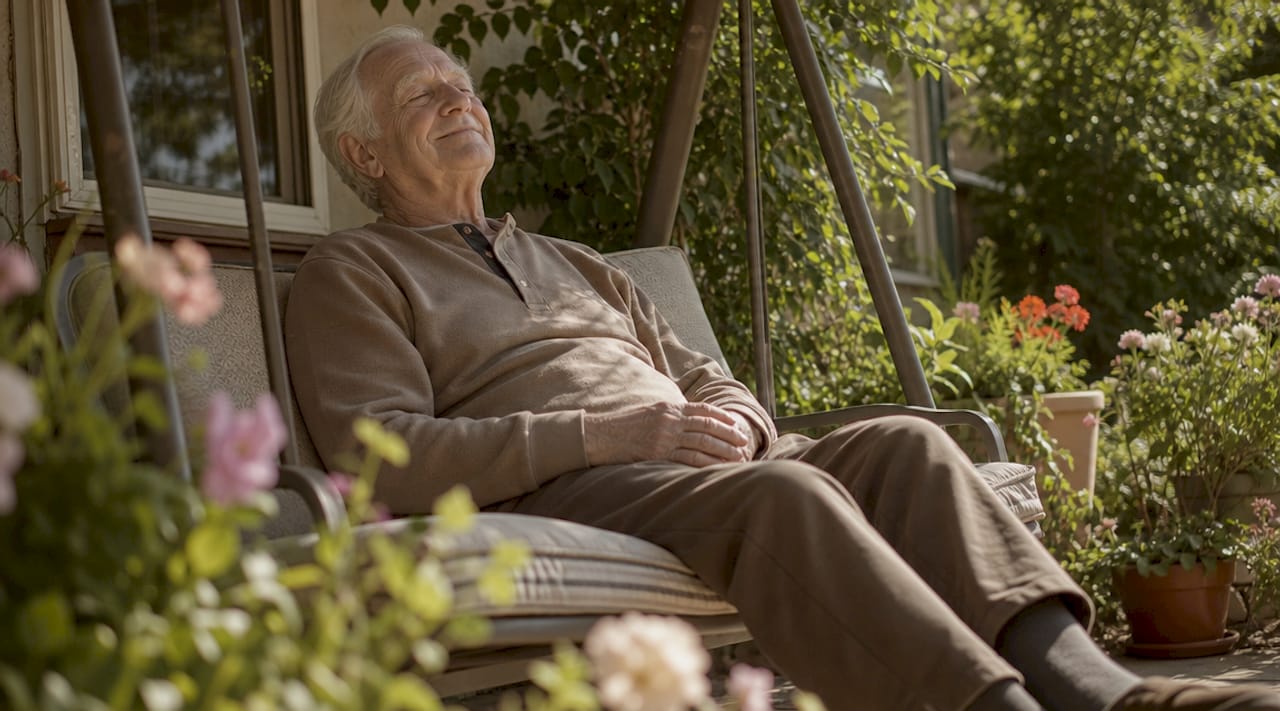
It is not selfish. It is structural. Joy requires a container, and that container is your energy.
Practical boundaries that protect your capacity for daily joy:
-
Schedule a non-negotiable rest period each afternoon, even 20 minutes of quiet sitting counts
-
Limit draining obligations by giving yourself 24 hours before agreeing to any new commitment
-
Create a morning rhythm that belongs entirely to you, before the phone, before requests, before the day’s demands arrive
-
Say no to environments that consistently leave you feeling depleted, whether that is a particular social group or a media habit
Pro Tip: Rest is not the absence of activity. It is a resource you invest in yourself so that everything else, your relationships, your creativity, your mood, has something to draw from.
Key takeaways
Joy in senior life is built through consistent, intentional habits across movement, connection, gratitude, purpose, and energy management.
| Point | Details |
|---|---|
| Movement lifts mood biochemically | Strength training and daily walking change brain chemistry, not just fitness levels. |
| Volunteering 2 to 3 hours weekly | This specific amount reduces depression and improves health, especially with chronic conditions. |
| Savoring encodes joy into memory | Deliberately attending to good moments makes them more memorable and mood-sustaining in the long term. |
| Purpose protects cognitive health | Seniors with clear purpose show better brain function and stay more physically active. |
| Energy boundaries sustain happiness | Managing what you give your time and attention to is what makes joy repeatable rather than occasional. |
What I have learned about joy that nobody tells you
By Theresa Stairs
Most conversations about senior happiness focus on what to add: more activity, more connection, more gratitude. What they rarely address is what to subtract. In my experience working with women in this season of life, the ones who feel genuinely joyful are not the ones doing the most. They are the ones who have gotten honest about what drains them and have quietly stopped doing it.
There is also something worth naming about mixed emotions. Many women I speak with feel guilty for not feeling happier, as if joy should be constant once you have the time and freedom for it. But emotional flexibility, allowing joy and grief to coexist, is the mark of emotional health, not a sign that something is wrong.
The happiest seniors begin cultivating joy before retirement by building roles and relationships independent of career. If you are reading this after that window, don't worry. The research also shows that intentional practice at any age reshapes the brain toward optimism. You aren't behind. You are beginning.
The most honest thing I can tell you is this: joy in later life is less a feeling you wait for and more a practice you return to. Some days the practice feels natural. Other days it feels like discipline. Both count.
— Theresa Stairs
Ready to discover what lights you up?
If this guide has stirred something in you, a quiet curiosity about what this season of life is genuinely for, Obsessedforlife was built for exactly that moment.

Obsessedforlife is a self-discovery platform for women 40 and beyond who are ready to ask the question that belongs entirely to them: what do I want with my life? Through the Obsession Map, an original guided assessment, you explore what brings you joy in this chapter, what values drive you, and what experiences are waiting. It is not a quiz. It is a mirror. Visit Obsessed for Life to start mapping what lights you up, because this chapter deserves a compass that is yours.
FAQ
How do seniors find joy in everyday life?
Seniors find daily joy by combining consistent physical movement, meaningful social connection, and gratitude practices into a regular rhythm. Research shows that even small habits, like a daily walk, one genuine conversation, or writing three specific appreciations, produce measurable improvements in mood and emotional well-being.
What activities make seniors the happiest?
Volunteering 2 to 3 hours per week, strength-based exercise, creative learning, and mentorship consistently rank among the highest-impact happiness activities for seniors. The common thread is that each activity combines purpose with human connection.
How does gratitude help seniors feel better?
Gratitude reshapes the brain’s default attention patterns toward noticing positive experiences, which over time improves mood regulation and emotional resilience. Pairing gratitude with savoring, deliberately slowing down to absorb good moments, deepens the effect significantly.
Can new experiences really improve senior well-being?
Yes. Small weekly microadventures stimulate cognitive flexibility and prevent emotional stagnation, according to research on joyful senior living. The activity does not need to be large. Trying one new thing per week- a class, a route, a recipe- is enough to keep the brain engaged and motivated.
What role does purpose play in senior happiness?
Purpose is directly linked to better cognitive function and higher physical activity levels in older adults. Seniors who maintain a clear sense of contribution, whether through mentoring, creative work, or community involvement, consistently report greater life satisfaction than those without such a sense.