
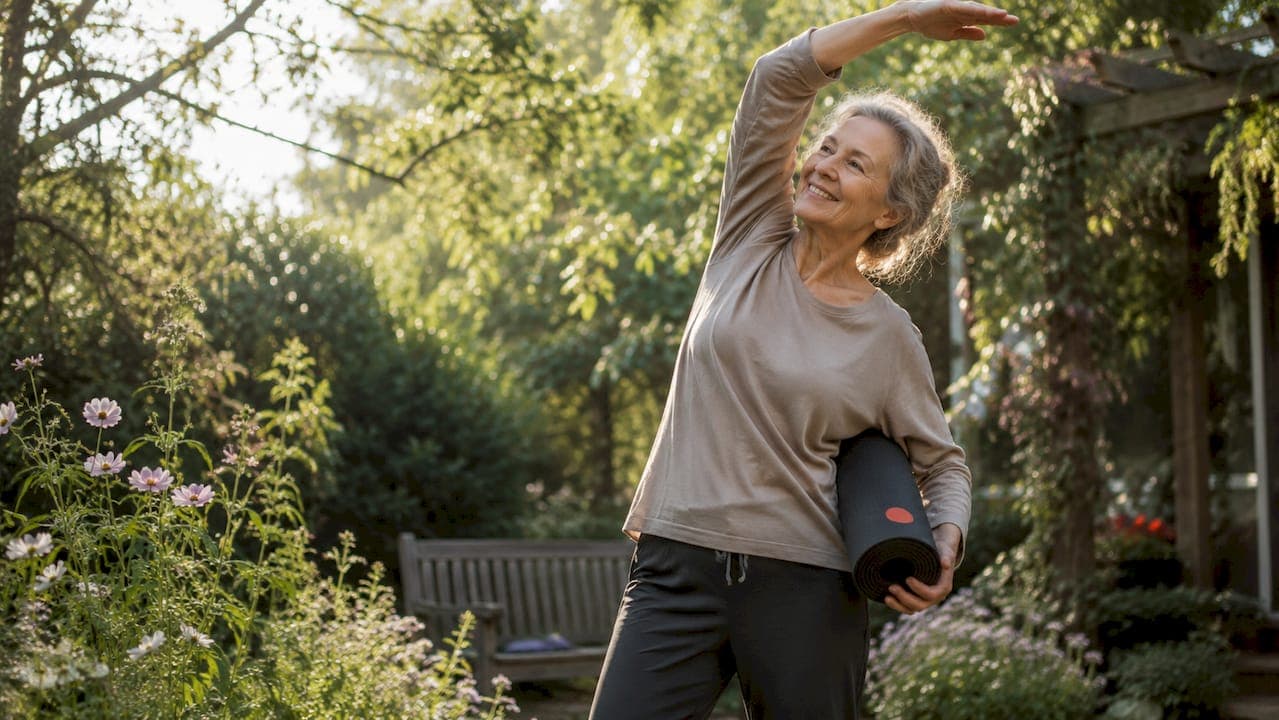
Living boldly in your 60s and 70s is defined as choosing authenticity, purpose, and active engagement over the quiet retreat that society often expects from women in later life. Research confirms that well-being rises sharply in the late 60s and 70s, linked directly to prioritizing what is genuinely true for you. This is not a consolation prize for getting older. It is the real thing. The decades ahead are an invitation, and you get to decide what you do with them.
How to live boldly in your 60s and 70s: the foundation
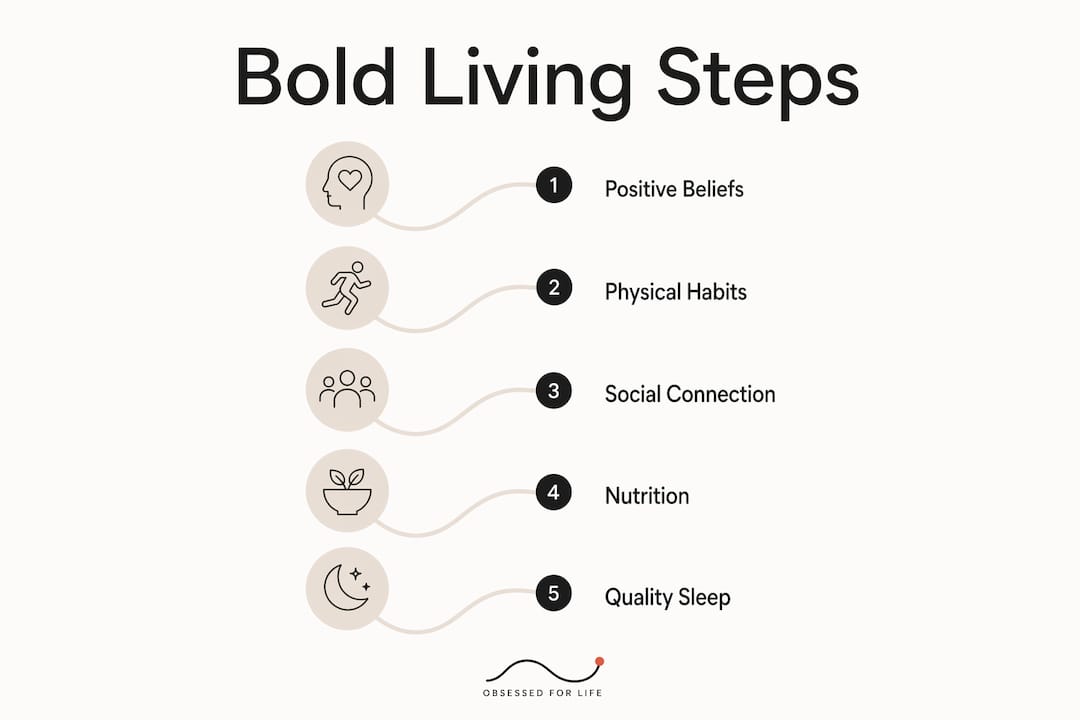
Bold living in later life is not about skydiving or radical reinvention. It is about living fully on your own terms, with clarity about what matters and the willingness to act on it. Psychologists use the term “positive aging” to describe the mindset that makes this possible. Positive aging means holding constructive beliefs about what your body and mind can do, and those beliefs directly shape outcomes.
The research is direct: positive beliefs about aging improve both physical and cognitive function in the 60s and 70s. That means the story you tell yourself about this chapter is not just motivational. It is biological. Women who approach these decades with curiosity rather than dread tend to move more, connect more, and recover faster.
Three pillars hold up bold living at this stage: a body you care for, a mind you have freed from outdated expectations, and relationships that genuinely feed you. Each one reinforces the others. Pull on any one thread and the whole picture gets brighter.
What physical habits support an active lifestyle for seniors?
Your body in your 60s and 70s responds well to consistent, intentional care. The habits that matter most are resistance exercise, quality nutrition, and restorative sleep. None of these require a gym membership or a complicated program.
Resistance exercise and daily movement
Resistance training, using weights, resistance bands, or bodyweight exercises, preserves muscle mass and protects joints. Functional movement, the kind built into daily life like carrying groceries, climbing stairs, or gardening, compounds over time. Functional fitness improvements take roughly six months of small, daily movement to show up as real gains in independence. That timeline is not discouraging. It means six months from today, you are measurably stronger.
-
Aim for two resistance sessions per week, even 20 minutes each
-
Walk after meals to support blood sugar and joint mobility
-
Stretch in the morning to signal your body that the day has started
-
Try chair yoga or water aerobics if impact is a concern
Nutrition that preserves muscle and reduces inflammation
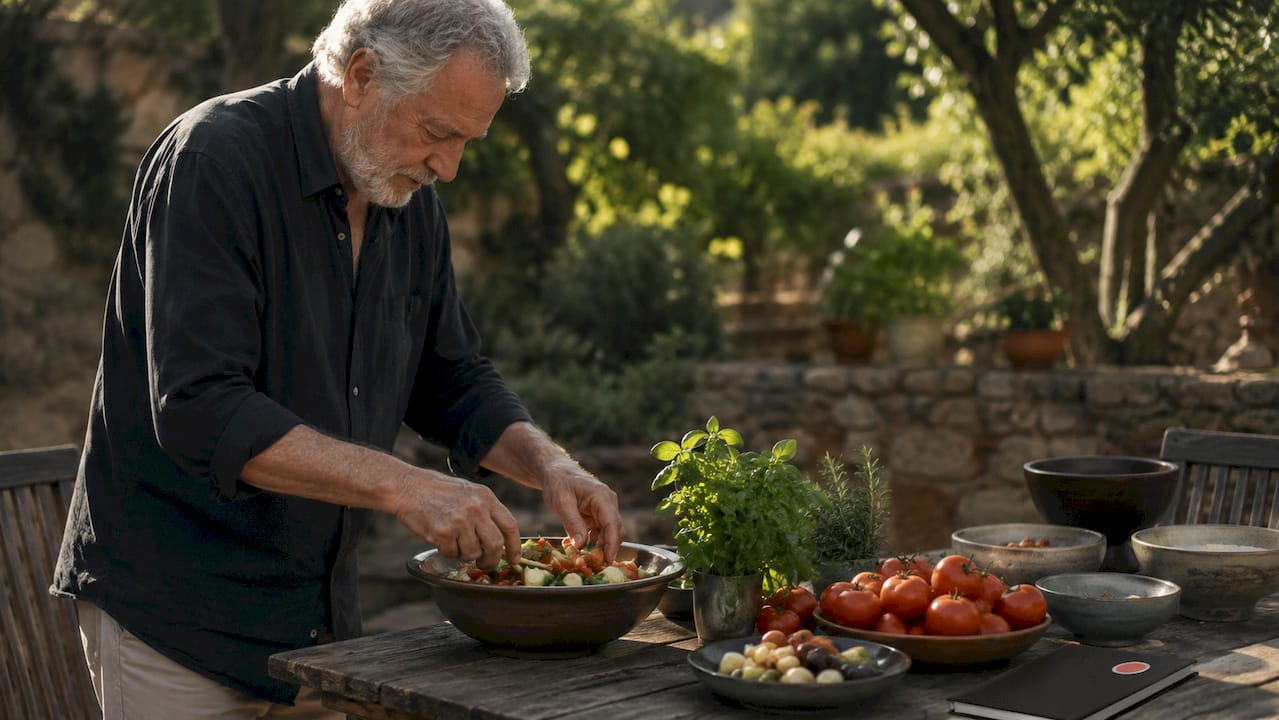
A Mediterranean-style diet, rich in vegetables, legumes, olive oil, fish, and whole grains, reduces inflammation and supports the cardiovascular system. Older adults require more protein than younger people to combat the natural decline in muscle-building efficiency. That means eggs, fish, legumes, and Greek yogurt belong on your plate more often, not less.
Sleep as a recovery tool
Sleep is where your body repairs itself, and quality matters more than quantity. Tracking sleep can improve deep sleep from 15 to 45 minutes per night. That extra deep sleep is where memory consolidation and cellular repair happen. A consistent bedtime, a cool dark room, and limiting screens after 9:00 PM are the three changes that move the needle fastest.
Pro Tip: Keep a simple sleep log for two weeks. Note your bedtime, wake time, and how rested you feel. Patterns appear quickly, and small adjustments become obvious.
What mindset shifts help women embrace life after 60?
The psychological work of this decade is quieter than the physical work, but it is just as real. Embracing life after 60 means releasing identities that no longer fit and building new ones that do.
-
Adopt positive aging beliefs. The story you hold about aging shapes your health outcomes. Replace “I’m slowing down” with “I’m choosing what I spend energy on.”
-
Find your ikigai. Ikigai is a Japanese concept meaning “reason for being,” the place where what you love, what you are good at, what the world needs, and what sustains you overlap. Ikigai enables people to remain active and purposeful into their 90s and beyond. You do not need a grand mission. A garden, a grandchild, a choir, a cause. Any of these can be your ikigai.
-
Edit your social circle. Bold living centers on autonomy, not grand gestures. Saying no to obligations that drain you is a form of self-respect, not selfishness.
-
Build a new daily rhythm. Retirement removes the structure that once anchored identity. Grieving past identities is often necessary before authentic reinvention can begin. A new morning routine, a weekly commitment, a regular creative practice. These become the new scaffolding.
-
Frame reinvention as exploration, not pressure. You are not required to emerge from your 60s as a new person. You are invited to find out what you want, not to wait for the noise to quiet.
The most liberating thing about this decade is that you have finally earned the right to disappoint people who were never really paying attention to you anyway. Use that freedom wisely.
How does social connection enhance quality of life in your 60s?
Social isolation is not just lonely. It raises inflammation markers, accelerates cognitive decline, and increases cardiovascular risk. Connection is a health intervention, not a luxury.
People who actively help others are up to 10 times more likely to report good health. That finding reframes volunteering, mentoring, and community involvement as acts of self-care, not just generosity.
Meaningful connection does not require a packed social calendar. It requires depth over frequency. Here is what works:
-
Maintain two or three close friendships with regular, real contact, not just texts
-
Join a group organized around something you already care about: a hiking club, a book group, a faith community, a cause
-
Volunteer in a role that uses your skills or exposes you to new ones
-
Practice small acts of togetherness: a weekly call, a shared meal, a walk with a neighbor
The quality of your relationships predicts your health outcomes more reliably than almost any other single factor. That is worth treating seriously.
What are practical ways to pursue adventure in your 70s?
Adventure in your 70s does not require a passport or a bucket list. It requires curiosity and a willingness to say yes before you have thought of every reason to say no.
Reinvention is better framed as exploration than expectation. You are not failing if you try watercolor painting and discover you prefer pottery. The trying is the point. Later life is, in fact, ideal for self-exploration because you finally have the time, the self-knowledge, and the freedom from other people’s opinions.
-
Take a class in something you have always been curious about but never had time for
-
Plan one trip per year that takes you somewhere genuinely new, even if it is two hours from home
-
Say yes to one invitation per month that slightly stretches your comfort zone
-
Revisit a passion from your 20s or 30s with fresh eyes and no performance pressure
Pro Tip: Write down three things you were curious about before life got busy. Pick one and spend 30 minutes this week reading about it. Curiosity, once fed, tends to grow.
The practical constraints of this decade are real: budget, mobility, health, and time all shape what is possible. Bold living works within those constraints, not against them. The goal is not to pretend limits do not exist. It is to find the fullest life available inside the life you have.
Key takeaways
Living boldly in your 60s and 70s requires positive aging beliefs, consistent physical habits, meaningful social connection, and the willingness to explore what genuinely brings you joy.
| Point | Details |
|---|---|
| Positive aging beliefs matter | The story you hold about aging directly shapes your physical and cognitive health outcomes. |
| Resistance exercise and protein | Two weekly resistance sessions and higher protein intake preserve muscle and independence. |
| Sleep quality drives recovery | Improving deep sleep from 15 to 45 minutes per night supports memory and cellular repair. |
| Social connection is health care | People who help others are up to 10 times more likely to report good health. |
| Exploration over reinvention | Framing new interests as curiosity rather than pressure makes bold living sustainable. |
What I have learned about living boldly after 60
By Theresa Stairs
The cultural narrative about women in their 60s and 70s tends to run in one of two directions. Either we are supposed to gracefully fade into the background, or we are supposed to be relentlessly, exhaustingly vibrant. Neither of those stories fits the women I know, and neither fits my own experience.
What I have found is that bold living at this stage is quieter and more personal than the headlines suggest. It looks like canceling a commitment that never felt right and feeling no guilt about it. It looks like signing up for a ceramics class with zero talent and going anyway. It looks like calling a friend you have been meaning to call for three months and talking for two hours.
The research on ikigai resonates with me deeply, not because purpose sounds grand, but because it sounds specific. Your reason for getting up in the morning does not need to impress anyone. It just needs to be genuinely yours. That is the whole point.
What I push back on is the idea that boldness requires a dramatic gesture. The women I admire most in this decade are bold in their daily choices. They protect their sleep. They say no to the dinner party they dread. They say yes to the hike, but they are not sure they can finish. They build a vibrant life one small, deliberate choice at a time. That is not a lesser version of bold. That is the real thing.
— Theresa Stairs
What Obsessedforlife offers women ready to live fully
You have spent decades showing up for everyone else. Now the question that belongs entirely to you is rising: what do I want with life?
Obsessedforlife is a self-discovery platform built for women 40 and beyond who are ready to answer that question honestly. The Obsession Map is an original guided assessment that helps you identify what brings you joy in this season, what values drive you, and what experiences are waiting for you in this chapter. It listens to who you are and reflects back a picture of what lights you up. The path forward feels like yours because it is. Whether you are 62 or 74, this is your beginning.
FAQ
What does it mean to live boldly in your 60s and 70s?
Living boldly in your 60s and 70s means choosing authenticity, purpose, and active engagement over passive retreat. It centers on positive aging beliefs, meaningful relationships, and daily choices aligned with your current values.
How can women over 60 maintain physical health and energy?
Resistance exercise twice a week, a Mediterranean-style diet with higher protein intake, and consistent sleep hygiene are the three habits most supported by research for women in their 60s and 70s.
What is ikigai and why does it matter for women in later life?
Ikigai is a Japanese concept describing your personal reason for being, where passion, skill, purpose, and sustenance overlap. Research shows it enables people to remain active and purposeful well into their 90s.
How does social connection affect health in the 60s and 70s?
Social isolation raises inflammation and accelerates cognitive decline. People who actively help others are up to 10 times more likely to report good health, making connection a direct health strategy.
Is it too late to reinvent yourself after 60?
Reinvention after 60 is not only possible but well-supported by research. Framing it as exploration rather than expectation makes it sustainable, and grieving past roles is a normal and healthy part of the process.