
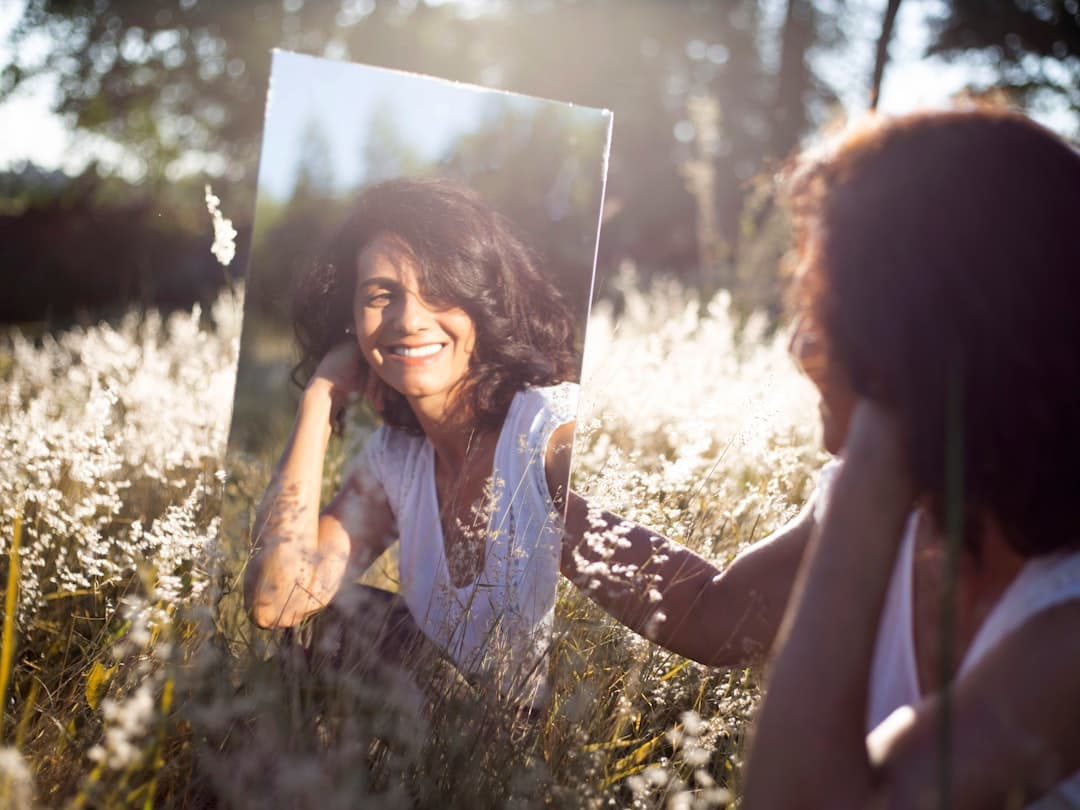
Whole-self living is the practice of embracing and integrating all facets of who you are — your thoughts, emotions, body, and spirit — into a coherent, authentic life. Psychologists call this congruence: the alignment between your inner experience and your outer expression. For women over 40, this concept arrives at exactly the right moment. Many of you have spent decades excelling at what others need. Now the question that belongs entirely to you is rising: who am I, and how do I want to live? That question is not a crisis. It is an invitation.
What does whole-self living mean, exactly?
Whole-self living means integrating your inner experiences and multiple parts of yourself into alignment with your outer life, not suppressing contradictions. The standard psychological term for this is congruence, developed by humanistic psychologist Carl Rogers. Rogers described it as the state in which your real self and your ideal self are close enough that you can move through the world without chronic anxiety or defensiveness.
This is not a destination you arrive at once and stay. It is a dynamic, ongoing relationship with your inner life. You widen your awareness. You practice compassion. You make small, value-aligned choices that gradually shape a life that feels genuinely yours. Think of it less like a finished painting and more like tending a garden: the work is never done, but the tending itself is the point.
For women navigating midlife, the concept of integrated self living carries particular weight. Identity shifts in your 40s, 50s, and 60s are real and significant. Roles change. Children leave. Careers pivot. Relationships evolve. Whole-self living gives you a framework for meeting those shifts with curiosity rather than fear.
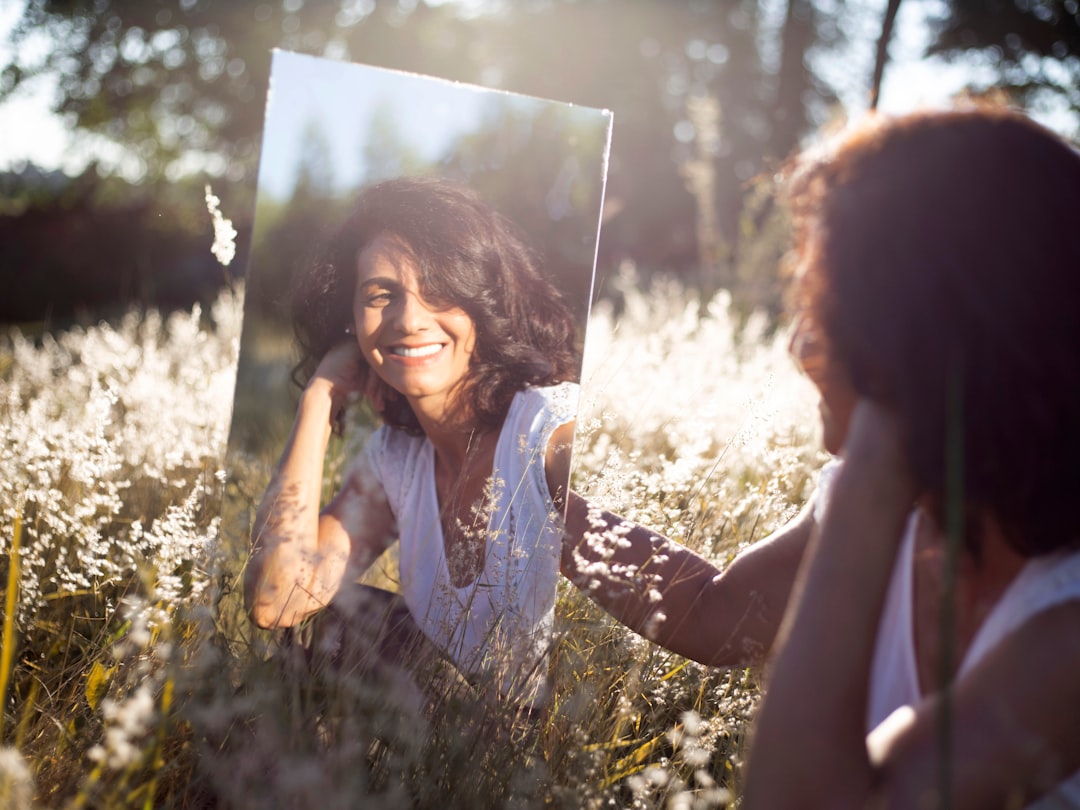
How psychology explains the gap between who you are and who you think you should be
Carl Rogers’ congruence theory is the clearest scientific lens for understanding wholeness. Larger gaps between real and ideal self cause incongruence, anxiety, and defensiveness. Closer alignment supports psychological health, self-esteem, and genuine connection with others. This means the discomfort you feel when you are living someone else’s version of your life is not weakness. It is information.
The real self is who you are: your honest feelings, your true preferences, your lived experience. The ideal self is who you believe you should be, often shaped by family expectations, cultural messages, and decades of performing roles. When those two selves are far apart, the result is a kind of internal static. You feel vaguely off, even when nothing is technically wrong.
Congruence does not mean eliminating the gap entirely. Alignment of lived experience, awareness, and expression is the goal, even amidst inner differences. Therapy, reflective journaling, and mindfulness practices all work by helping you hear your real self more clearly, so you can close that gap with empathy rather than force.
-
Your real self includes feelings and needs you may have learned to suppress or dismiss.
-
Your ideal self often carries inherited expectations that were never truly yours to begin with.
-
The work of congruence is not self-improvement in the conventional sense. It is self-recognition.
-
Self-compassion is the tool that makes this recognition possible without shame.
Pro Tip: Start a weekly ten-minute reflection practice. Write one honest answer to this question: “What did I feel today that I did not express?” Over time, patterns emerge that reveal where your real self and ideal self are most out of sync.
What are the dimensions of the whole self?
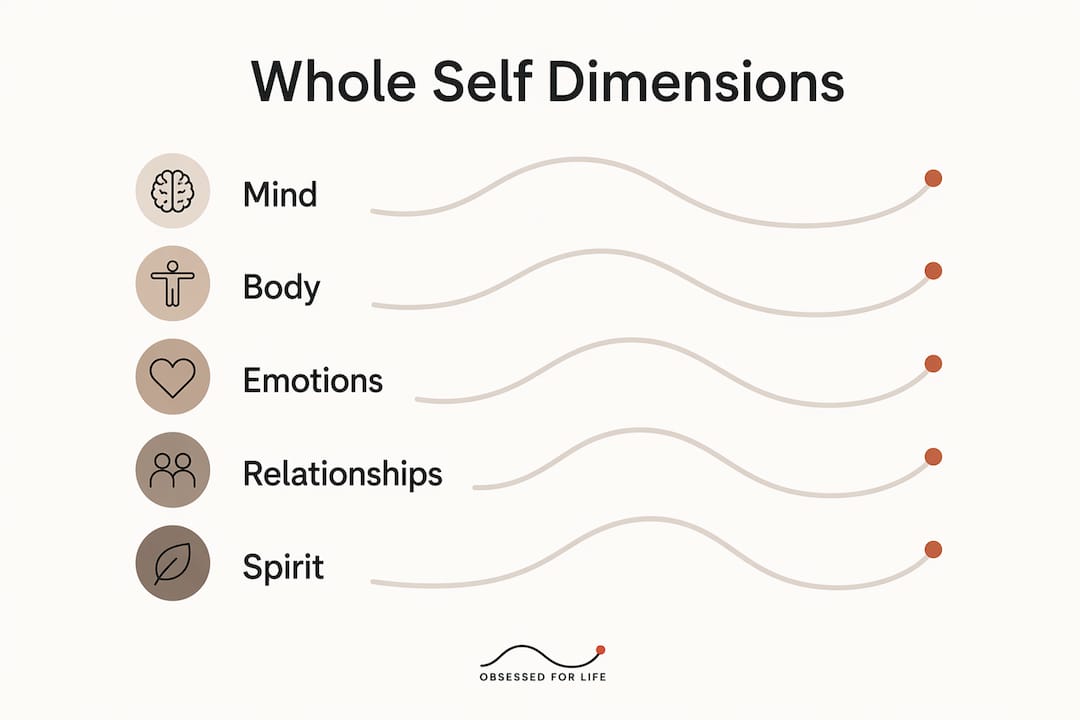
Whole-person frameworks define multiple dimensions including mind, body, emotions, relationships, and spirit, and these must be developed together for resilience and peace. No single dimension operates in isolation. Neglecting one tends to create pressure on the others, much like a leak in one room eventually affects the whole house.
Here is a clear look at the core dimensions and what attending to each involves:
| Dimension | What it includes | Signs of neglect |
|---|---|---|
| Mind | Beliefs, thoughts, learning, curiosity | Mental fatigue, rigid thinking, boredom |
| Body | Physical health, movement, rest, sensation | Chronic tension, poor sleep, disconnection |
| Emotions | Feelings, emotional expression, regulation | Numbness, irritability, unexplained sadness |
| Relationships | Connection, belonging, healthy boundaries | Isolation, resentment, people-pleasing |
| Work and purpose | Meaning, contribution, creative expression | Emptiness, going through the motions |
| Spirit | Values, meaning, transcendence, inner life | Feeling lost, lack of direction |
The most overlooked dimension for many women over 40 is spirit, and not necessarily in a religious sense. Spirit here means your relationship to meaning: what you believe your life is for, what gives you a sense of connection to something larger than daily tasks. Improvement in one domain, such as physical health, ripples positively into emotions, work, and relationships. This is why a single change, like committing to a morning walk, can shift your mood, your creativity, and even your patience with people you love. The dimensions are interactive, not separate.
Practices like sound meditation can support the spiritual and emotional dimensions simultaneously, offering a gentle entry point for women who are new to inner work.
Common misconceptions about wholeness that keep women stuck
The most damaging misconception about whole-self living is that it requires consistency. It does not. Wholeness includes making room for conflicting inner parts with curiosity and compassion, not eliminating contradiction. You can be both deeply loving and genuinely angry. You can value solitude and crave connection. Both are true. Both are you.
Here is what whole-self living is not:
-
It is not performing positivity while suppressing grief or frustration.
-
It is not having a perfectly balanced life where every dimension gets equal attention every day.
-
It is not showing every feeling to every person in every context.
-
It is not a state you achieve and then maintain effortlessly.
Authenticity balances expression contextually. Living authentically does not mean radical transparency in all situations. It means that over time, your choices, your relationships, and your daily rhythms reflect your actual values rather than the values you inherited or performed. A woman who declines a social obligation because she genuinely needs rest is practicing wholeness. A woman who accepts every obligation out of guilt is not, regardless of how graciously she does it.
Inner parts work treats conflicting feelings as information rather than problems. When you feel two opposing things at once, the invitation is to get curious: what does each part of you need? That question alone can dissolve the shame that keeps so many women fragmented.
Practical steps for women 40+ to begin living as a whole self
Authenticity is built through clarifying values and practicing boundary-setting and self-compassion. For women over 40, this often means distinguishing between values you genuinely hold and those assigned to you by family, culture, or circumstance. That distinction is the starting point for everything else.
-
Clarify your actual values. Write down five values you currently live by. Then ask honestly: did I choose these, or did I inherit them? ACT-based values work reduces anxiety and increases well-being for midlife women by helping them separate authentic values from conditioned ones. This is not a one-time exercise. Return to it seasonally.
-
Practice reflective journaling. You do not need a structured prompt. You need honesty. Write about what drained you this week and what lit you up. Over time, this practice becomes a map of your real self. Obsessedforlife’s personal life vision framework offers a structured way to take this further.
-
Set one boundary that reflects a real value. Not a boundary you think you should have. One that protects something you genuinely care about. Start small. The act of honoring your own needs once builds the muscle for doing it again.
-
Build relationships that can hold your whole self. Seek out people who do not require you to perform a simplified version of yourself. This might mean deepening existing friendships or gently letting go of relationships that only work when you stay small.
-
Incorporate body awareness. Your body carries information your mind often ignores. A daily practice of five minutes of stillness, a body scan, or mindful movement creates a channel between your physical experience and your conscious awareness. This is not optional for wholeness. It is foundational.
Pro Tip: A life audit is one of the most practical tools for assessing where your life currently aligns with your values and where it does not. It takes about an hour and can reorient your next six months.
Key takeaways
Whole-self living is the ongoing practice of aligning your inner life with your outer choices through self-awareness, self-compassion, and value-driven authenticity, not a fixed state of perfection.
| Point | Details |
|---|---|
| Wholeness is a practice, not a destination | Congruence is built gradually through reflection, compassion, and small aligned choices. |
| Multiple dimensions shape the whole self | Mind, body, emotions, relationships, purpose, and spirit all interact with and reinforce one another. |
| Contradictions are not failures | Accepting conflicting inner parts with curiosity reduces fragmentation and builds self-trust. |
| Values clarification is the foundation | Separating inherited expectations from genuine values is the first step toward authentic living. |
| One change creates ripple effects | Improving a single dimension, such as physical health, strengthens emotional and relational well-being. |
What I have learned about wholeness after 40
By Theresa Stairs
I spent a long time believing that wholeness meant having it together. That if I could just resolve the contradictions in myself, I would finally feel settled. What I have come to understand is that the contradictions are not the problem. They are the texture of real life.
The women I find most inspiring are not the ones who have eliminated their doubts or their difficult feelings. They are the ones who have made room for all of it. The grief and the gratitude. The ambition and the exhaustion. The love and the frustration. They have stopped asking themselves to be simpler than they are.
After 40, there is a particular kind of freedom available to you, if you are willing to take it. The freedom to stop performing a version of yourself that was designed for someone else’s comfort. That does not happen all at once. It happens in small moments of honesty, in the choice to say what you think, to rest when you need it, to pursue what interests you rather than what looks appropriate.
The path to wholeness is not dramatic. It is patient. It asks you to be curious about yourself rather than critical. And it rewards that curiosity with something that, over time, feels like coming home.
- Theresa Stairs
Ready to explore what your whole self wants?
If this article has stirred something in you, that stirring is worth following. Obsessedforlife was built for exactly this moment: the one where you stop asking what everyone else needs and start asking what you genuinely want.
The Obsession Map is an original guided assessment that helps women over 40 identify what brings them joy in this season, what values are truly theirs, and what experiences are waiting in this chapter. It is not a personality test. It is a reflection of who you already are. If you are ready to find your joy and follow it, start here.
FAQ
What does whole-self living mean in simple terms?
Whole-self living means aligning all parts of yourself, including your mind, body, emotions, and spirit, with how you live your daily life. It is the practice of closing the gap between who you truly are and how you show up in the world.
Is whole-self living the same as holistic living?
They overlap significantly. Holistic living focuses on attending to all life dimensions together rather than in isolation, while whole-self living emphasizes the psychological alignment between your inner experience and outer expression. Both reject the idea that physical health or productivity alone equals well-being.
How is whole-self living different from self-improvement?
Self-improvement typically focuses on fixing perceived flaws or becoming a better version of yourself. Whole-self living focuses on recognizing and integrating all parts of yourself, including the difficult ones, rather than eliminating them. The goal is self-recognition, not self-correction.
Can you practice whole-self living without therapy?
Yes. Reflective journaling, values clarification, mindfulness, body-awareness practices, and honest conversations with trusted people all support whole-self living outside a therapeutic context. Therapy accelerates the process, but the daily practice belongs entirely to you.
Why is whole-self living especially relevant after 40?
For women 40 and beyond, identity shifts created by changing roles, relationships, and life seasons create a natural opening for this work. Research supports that values clarification and self-compassion reduce anxiety and increase well-being for midlife women, making this the ideal time to begin.