

Discovering late life passions and joy is defined not as finding one perfect calling, but as building a personal fulfillment mix that reflects who you are right now. The women who thrive in this season are not the ones who stumbled onto a single transformative hobby. They are the ones who gave themselves permission to experiment, reflect, and stay curious. This article shows you how to do exactly that, using evidence-backed strategies like joyspan, ikigai, and structured experimentation to build a life that genuinely lights you up.
Why the single "passion" model fails women over 40
The idea that you need to find one great passion is one of the most persistent myths in personal fulfillment. It sets an impossible standard and, for most women over 40, it leads straight to frustration.
Research confirms that a fulfillment mix of 3–5 activities covering support, meaning, connection, and growth produces more lasting satisfaction than any single pursuit. That makes sense. No one activity can carry the full weight of your identity, social needs, creative energy, and sense of purpose. Expecting it to is a setup for burnout.
Think of your fulfillment as a portfolio, not a single stock. A healthy portfolio includes:
- Support: activities that ground you emotionally and physically, like yoga, walking groups, or therapy
- Sense of self: creative outlets that express who you are, like painting, writing, or music
- Meaning: work or service that connects you to something larger, like mentoring or volunteering
- Feeling valued: roles where your skills and wisdom are recognized and used
- Connection: relationships and communities that genuinely nourish you
The happiest older adults redefine their identity using what researchers call "living language," which means anchoring self-worth to present joys rather than past roles or achievements. This shift is not a loss. It is a release.
"The question is not who you were. The question is who you are becoming."
Letting go of the identity you built over decades takes time. Give yourself that time. The goal is not to replace your former self. It is to meet the version of you that has been waiting.
How to uncover what you truly miss and want next
Before you fill your calendar with new activities, you need to know what you are actually hungry for. That requires a different kind of listening.
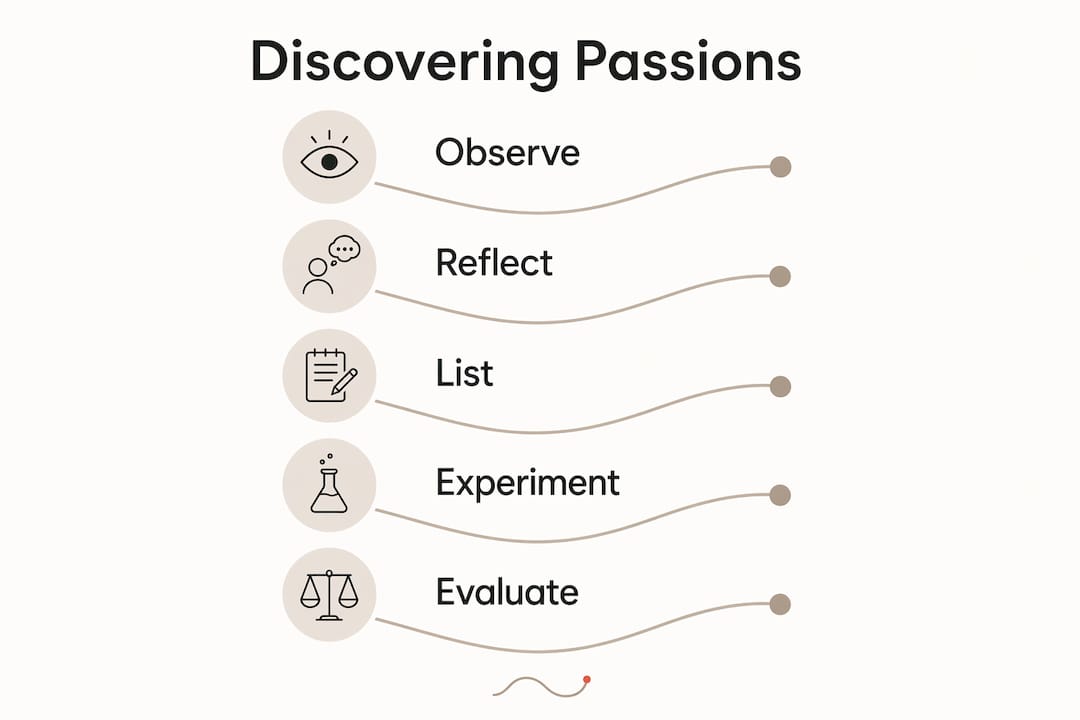
Start by reviewing moments from your past when you felt most alive. Not most productive. Not most praised. Most alive. Those moments carry real data about what your nervous system responds to with genuine pleasure.
Here is a structured way to begin:
- Write down five activities from your past that brought you pure enjoyment, with no external reward attached. These could be from childhood, early adulthood, or any season of your life.
- Notice what you envy. Envy is a signal, not a flaw. When you feel a quiet sting watching someone else paint, travel solo, or teach a class, that feeling is pointing at something unacknowledged in you. Write it down without judgment.
- Sit with stillness first. An initial detox period of quiet before rushing into new activities helps you hear what you actually miss, rather than what you think you should want.
- Ignore the "shoulds." The activities your friends rave about, the hobbies that look good on social media, the classes your sister swears by. None of that is your data. Your data lives in your own body and history.
- Look for patterns across mentors and collaborators. The people who have energized you most in life often reflect your own core drivers back at you. Who have you admired? What were they doing?
Pro Tip: Keep a small notebook for two weeks and jot down any moment that makes you feel curious, envious, or unexpectedly moved. At the end of two weeks, read it back. The patterns will surprise you.
This process is not about finding answers quickly. It is an invitation to pay attention to yourself with the same care you have given to everyone else.

How to experiment with new hobbies and passions
Once you have a list of possibilities, the next step is structured experimentation. Not commitment. Not investment. Experimentation.
A 30-day experiment with multiple hobbies, spending 2–3 weeks with each activity, is one of the most effective ways to identify what genuinely holds your interest. This approach removes the pressure of "finding the one" and replaces it with curious, low-stakes testing.
Here is a practical process to follow:
- Choose 3–5 activities from your reflection list that span different categories: one physical, one creative, one social, one service-oriented.
- Set a 2–3 week trial for each. Commit enough time to get past the awkward beginner phase, but not so much that you feel trapped.
- Start small financially. Borrow equipment, attend a free class, or watch tutorials before spending money. Invest gradually as genuine interest grows.
- Join a community group around each activity. The social layer often determines whether an activity sticks. Pottery alone is fine. Pottery with a group of women who make you laugh is transformative.
- Track your energy, not just your enjoyment. After each session, ask yourself: do I feel more alive or more drained? Joy shows up in your energy levels, not just your mood.
- Drop without guilt. If something does not resonate after a fair trial, release it. Moving on is not failure. It is good data.
| Activity type | What to test | What to watch for |
|---|---|---|
| Physical | Walking groups, dance, swimming | Energy after sessions, body ease |
| Creative | Painting, writing, ceramics | Flow state, time passing unnoticed |
| Social | Book clubs, cooking classes | Sense of belonging, laughter |
| Service | Mentoring, volunteering | Sense of meaning, feeling valued |
| Learning | Language classes, online courses | Curiosity, mental engagement |
Pro Tip: Combine benefits wherever possible. A community garden gives you physical activity, social connection, and a sense of contribution all at once. One activity, three fulfillment areas covered.
Experiences worth pursuing after 40 rarely announce themselves loudly. They tend to show up quietly, in the middle of a Tuesday afternoon, when you realize an hour passed and you forgot to check your phone.
What are joyspan and ikigai, and why do they matter?
Two concepts from well-being research are especially useful for women building a fulfilling life after 40: joyspan and ikigai.
Joyspan is defined as the practice of appreciating micro-joys in everyday life, things like a good cup of coffee, a piece of music that moves you, or a conversation that leaves you feeling seen. Stanford researchers identify joyspan as a reliable strategy for sustaining well-being over time. This matters because it shifts the source of happiness from rare peak experiences to the texture of ordinary days.
Ikigai is a Japanese concept that translates roughly as "reason for being." It sits at the intersection of what you love, what you are good at, what the world needs, and what you can be recognized for. Cultivating ikigai through community and purpose is linked to vitality well into a person's 90s and beyond. That is not a small claim. It means that finding meaningful social roles and purpose-driven activities is not just emotionally satisfying. It is physically protective.
Here are practical ways to cultivate both:
- Build a morning ritual around one small pleasure. Not productivity. Pleasure. Tea, a journal, a walk before the world wakes up.
- Volunteer in a role that uses your expertise. Women over 40 carry decades of skill. Sharing it creates the "feeling valued" layer of your fulfillment mix.
- Pursue continued learning in an area that has nothing to do with your career. A language, an instrument, a craft. Learning for its own sake activates genuine curiosity.
- Practice gratitude as a daily scan, not a performance. At the end of each day, name three specific moments that felt good. Specificity is what makes this practice work.
"Reframing social activities as essential energy management removes guilt and supports vitality."
This reframe is worth sitting with. Leisure is not a reward for productivity. It is a resource. Treating it that way changes everything about how you spend your time and how you feel about spending it.
Intentional living for women 40 and beyond is not about filling every hour. It is about choosing which hours matter and why.
Key takeaways
Finding joy in later life is most sustainable when built on a diverse fulfillment mix rather than a single passion, supported by daily micro-joys and meaningful social roles.
| Point | Details |
|---|---|
| Build a fulfillment mix | Choose 3–5 activities covering support, meaning, connection, and creative expression. |
| Use envy as data | Notice what you admire in others to uncover your own unacknowledged desires. |
| Experiment before committing | Trial each activity for 2–3 weeks before investing time or money. |
| Cultivate joyspan daily | Anchor happiness in small, specific pleasures rather than waiting for peak experiences. |
| Reframe leisure as energy | Treat social and creative time as a resource, not a reward, to sustain vitality long-term. |
What I have learned about passion after 40
By Theresa Stairs
The women I have watched thrive in this season share one quality that has nothing to do with talent or ambition. They are willing to feel awkward. They show up to the pottery class not knowing anyone. They write badly for months before writing well. They let themselves be beginners again, and that willingness is what opens everything.
What I have also noticed is that the women who struggle most are often waiting for certainty before they begin. They want to know it will work before they try. But passion does not announce itself in advance. It reveals itself through contact. You have to touch the thing to know if it is yours.
The other pattern I see regularly is the guilt around "wasting time" on something that does not produce a visible outcome. That guilt is old programming. It belongs to a season of your life that asked you to justify every hour. This season does not ask that. This season is an invitation to find out what you actually love, not what you are useful for.
Meaningful life pivots for women 40+ rarely look dramatic from the outside. They look like a Tuesday afternoon painting class. They look like a conversation with a stranger at a community garden. They look small. They feel enormous.
Start small. Stay curious. The life you are building now is not a consolation prize. It is the one you finally get to design for yourself.
— Theresa Stairs
How Obsessedforlife helps you find what lights you up
You have spent years being excellent at what others needed. Obsessedforlife was built for the moment you turn that attention toward yourself. The Obsession Map, an original guided assessment on the platform, helps you explore what brings you joy in this season, what values drive you, and what experiences are waiting for you in this chapter. It is not a quiz. It is a mirror. Whether you are 42 or 68, the Obsessedforlife platform gives you a thoughtfully designed starting point for rediscovering purpose in aging and building a life that genuinely feels like yours. You built the life. Now it is time to find out what you actually want with it.
FAQ
What does a fulfillment mix mean for women over 40?
A fulfillment mix is a set of 3–5 activities that together cover your needs for support, meaning, connection, and personal growth. Research shows this approach produces more lasting satisfaction than searching for one all-encompassing passion.
How do I know if a new hobby is right for me?
Track your energy after each session, not just your enjoyment. If you consistently feel more alive after an activity, that is a reliable signal it belongs in your life.
What is joyspan and how do I build it?
Joyspan is the practice of noticing and savoring small daily pleasures, like a morning ritual, a piece of music, or a good conversation. Stanford researchers identify it as a reliable strategy for sustaining well-being over time.
Is it normal to feel lost before finding new passions after retirement?
A quiet detox period before filling your time with new activities is both normal and useful. Stillness helps you identify what you actually miss, rather than what you think you should want.
How does ikigai apply to life after 40?
Ikigai sits at the intersection of what you love, what you are good at, what the world needs, and what you can be recognized for. Cultivating it through community roles and continued learning is linked to vitality and flourishing well into later life.